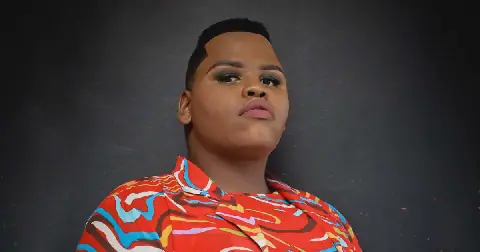
A growing sense of disconnection is emerging among young South Africans who did not experience the country's tumultuous past, including the fight for democracy and the creation of the constitution. This generation did not live through the marches, protests, and sacrifices that led to the establishment of the constitutional order. As a result, they may not feel a strong emotional connection to the document, which can lead to a lack of engagement and ownership.
The current generation has inherited the constitution and benefits from its provisions, but may not feel a sense of ownership or responsibility to protect it. This phenomenon is not unique to South Africa, but it poses a significant challenge to the country's democratic system. The constitution was designed to be a living document that evolves with the needs of its citizens. However, if a generation does not feel connected to it, the document's relevance and effectiveness may be compromised.
A 2018 study titled "Democracy Challenged" found that young South Africans prioritize socio-economic rights over civil and political rights. This is not because they are indifferent to rights, but because their lived experiences have not made those rights feel real. The study's findings highlight the need for a more nuanced understanding of the challenges facing this generation and the importance of addressing their socio-economic needs.
The state has an obligation to ensure that the rights enshrined in the constitution are progressively and meaningfully realized in the lives of its citizens. However, the current generation also has a role to play in enforcing their rights and claiming the constitutional vision. The upcoming local government elections offer an opportunity for young South Africans to participate in the democratic process and demand that their needs be addressed.
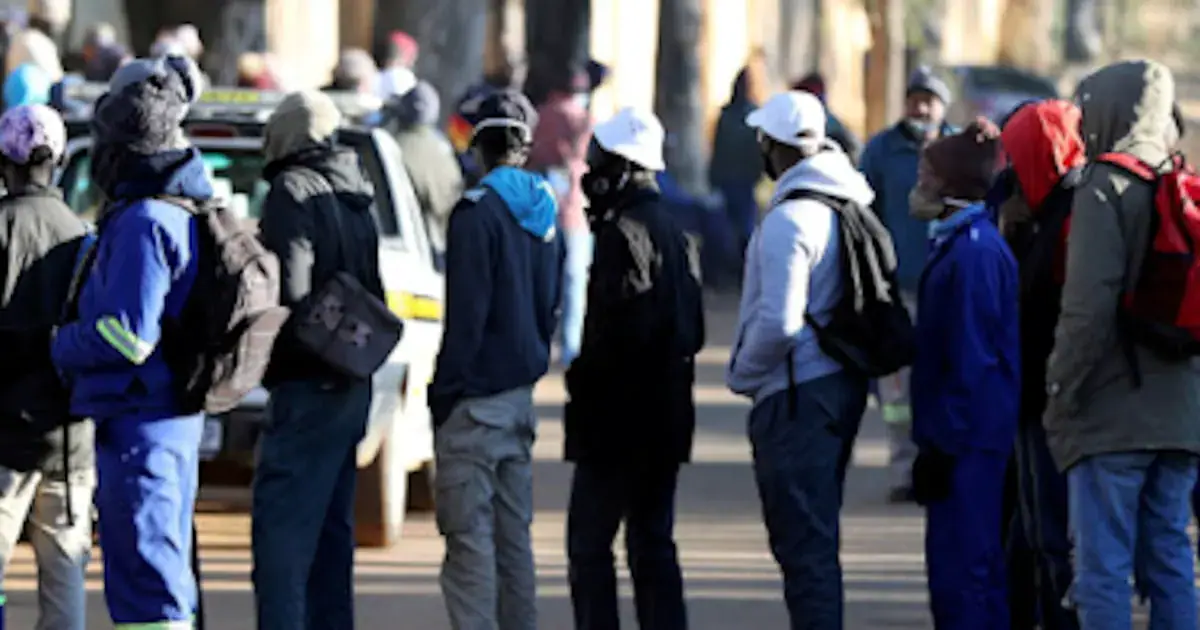
The latest Quarterly Labour Force Survey by Statistics South Africa reveals that youth unemployment has increased to 47.4% among those aged 15 to 34. Nearly half of young South Africans in this age group are neither employed nor in education or training. These statistics underscore the significant challenges facing this generation and the need for urgent action to address their socio-economic needs.
The Interim Constitution of 1993 was hailed as a historic bridge between the old and new orders. However, three decades later, this generation is asking whether the promised passage to a better life has occurred. The local government elections offer a chance for young South Africans to engage with the democratic process and demand accountability from their leaders.
To make the constitution genuinely theirs, this generation must be able to claim it and create new conditions of meaning and new points of entry. The ballot box offers a critical opportunity for them to do so. By participating in the democratic process, young South Africans can insist that the distance between the constitutional promise and its fulfilment be closed.
Key points
- The current generation of South Africans must be able to claim the constitution and make it their own in order to ensure its relevance and effectiveness.
- The state has an obligation to ensure that the rights enshrined in the constitution are progressively and meaningfully realized in the lives of its citizens.
- The upcoming local government elections offer an opportunity for young South Africans to participate in the democratic process and demand that their needs be addressed.