A communication and visibility consultant, Denis Jjuuko, has proposed that Uganda introduce smaller gas cylinders to make cooking gas more affordable for low-income households. He suggests cylinders of 1kg and 2kg, which would be more affordable for households that currently rely on charcoal. Jjuuko's proposal comes as the government considers banning charcoal to protect the environment. Many households in Uganda rely on charcoal for cooking due to the high cost of alternative energy sources.
Charcoal is a significant contributor to deforestation in Uganda, and the government has faced pressure to ban it. However, many households rely on charcoal due to its affordability. A sack of charcoal costs a fraction of what traders in Kampala charge, making it a preferred choice for low-income households. Jjuuko notes that he has never been a fan of charcoal, finding it expensive, wasteful, and cumbersome to use. Despite this, he understands its importance in many households.
The current cost of cooking gas in Uganda is out of reach for many households. Liquefied petroleum gas is largely sold in cylinders of 6kgs and 12kgs, with a startup cost of approximately Shs170,000 for 6kgs and Shs266,000 for a 12kg cylinder. The median monthly income in Uganda is Shs200,000, making it difficult for many households to afford. Jjuuko argues that the government must support or make the private sector produce smaller gas cylinders to make cooking gas more affordable.
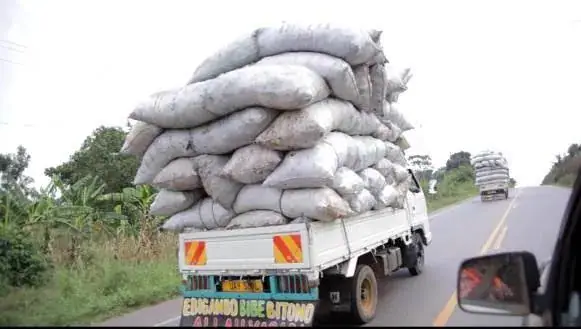
Jjuuko's proposal is based on his experience traveling through northern Uganda, where he observed the reliance on charcoal. He notes that many roadside kiosk owners survive by vending charcoal, and truckloads of it dominate certain routes to urban areas. The ban on charcoal has sparked panic among urban dwellers, with social media going into a frenzy. Parliament has advised the government to present a comprehensive plan before implementing the ban.
The government has previously distributed gas cylinders freely, but many ended up as decorative materials due to the high cost of refills. Jjuuko suggests that smaller cylinders would make it possible for households to afford refills, which could cost as low as Shs10,000 for a 1kg cylinder or Shs20,000 for a 2kg cylinder. This would make cooking gas a more viable alternative to charcoal for low-income households.
Jjuuko draws parallels with the sale of consumer goods, such as sugar and cooking oil, which are sold in small quantities to make them more affordable. He argues that gas cylinders should be sold in similar quantities to make them more accessible to low-income households. This approach would enable households to buy gas by the kilo, rather than being forced to purchase larger, more expensive cylinders.
The proposal to introduce smaller gas cylinders has been made by Denis Jjuuko, a communication and visibility consultant. He argues that this would help to reduce the reliance on charcoal and make cooking gas more affordable for low-income households. The government is yet to respond to Jjuuko's proposal, but it is clear that finding alternative energy sources for low-income households is a pressing issue in Uganda.
Key points
- The government should support the production of smaller gas cylinders to make cooking gas more affordable for low-income households.
- Charcoal is a significant contributor to deforestation in Uganda, and finding alternative energy sources is crucial.
- The current cost of cooking gas in Uganda is out of reach for many households, with cylinders starting at 6kgs and 12kgs.