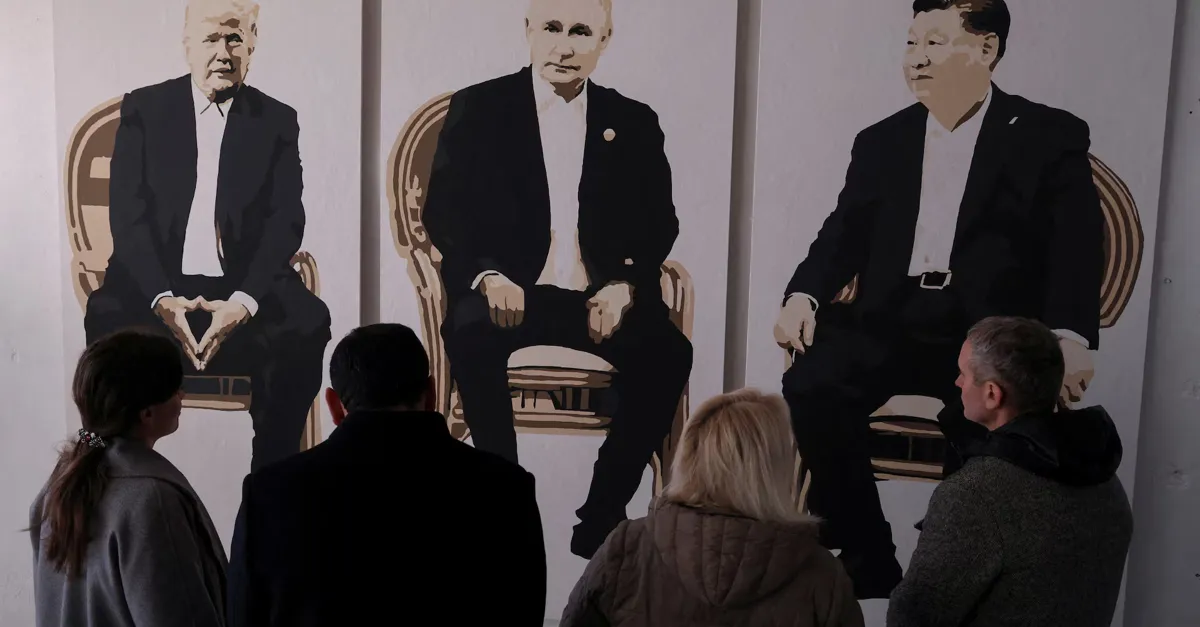
As the 81st session of the United Nations General Assembly commenced, major world powers, including the United States, Russia, and China, emphasized the need for reforms to the international organization. The UN's role in maintaining global security and promoting sustainable development was highlighted as crucial, with all three nations agreeing on the necessity for a more representative and equitable system. However, their approaches and visions for these reforms differ significantly.
The United States, under President Donald Trump, has taken a functional approach to UN reforms, focusing on financial accountability and efficiency. The US has been critical of the UN's inability to support its peace-building efforts and has taken steps to reduce its financial contributions to the organization. In January 2026, the US announced its withdrawal from the UN Human Rights Council, citing the body's alleged bias against Israel. Despite this, the US has maintained that it will continue to support the UN, with President Trump stating that the organization has "tremendous potential" but has not lived up to its expectations.
In contrast, Russia and China have adopted a more structural approach to UN reforms, seeking to create a more multipolar world order. Both nations have emphasized the need for greater representation for developing countries, particularly in the UN Security Council. They have also called for reforms to the international financial and trading systems, which they argue have become outdated and no longer reflect the current global economic landscape. Russian President Vladimir Putin has described the UN as a "platform for coordinating interests," while Chinese President Xi Jinping has stressed the importance of preserving the organization's role in promoting global stability.
One area of agreement among the three nations is the need to preserve the UN's role in maintaining global security. The UN Security Council, which was established in the aftermath of World War II, has been criticized for its outdated composition and lack of representation for emerging powers. China has become the second-largest contributor to the UN's budget, providing $641.4 million in 2026, while the US contributed $725 million to the organization's general budget. Russia has also emphasized its commitment to the UN, despite its ongoing conflict in Ukraine, which has created tensions with Western nations.
Despite their differing approaches, all three nations have stressed the importance of preserving the UN's role in promoting global stability and security. The organization's ability to address emerging challenges, such as climate change, pandemics, and economic inequality, was highlighted as a key area for cooperation. However, the US, Russia, and China have also pursued their own national interests, often through bilateral agreements and alliances. The US has maintained a strong military presence around the world, while Russia has sought to strengthen its ties with nations such as Iran and North Korea.
The debate over UN reforms is likely to continue in the coming months, with the organization's 193 member states seeking to address a range of pressing global challenges. The UN's ability to adapt to a rapidly changing world was highlighted as a key test of its relevance and effectiveness. As the world's largest and most diverse international organization, the UN plays a critical role in promoting peace, security, and sustainable development. However, its success will depend on its ability to reflect the changing global landscape and address the needs and concerns of its member states.
As the 81st session of the General Assembly comes to a close, it is clear that the debate over UN reforms will continue. The US, Russia, and China have set out their visions for the organization's future, but it remains to be seen whether they can find common ground and work towards a more effective and equitable UN. With the global landscape continuing to evolve, the UN's ability to adapt and respond to emerging challenges will be critical to its success.
Key points
- The US, Russia, and China have emphasized the need for UN reforms to reflect the changing global landscape.
- The three nations have differing approaches to reforms, with the US focusing on financial accountability and Russia and China seeking a more multipolar world order.
- The UN's ability to address emerging global challenges, such as climate change and economic inequality, will depend on its ability to adapt and respond to the needs of its member states.