A major overhaul is planned for Koidu Government Hospital in Sierra Leone, involving the demolition of five structures to make way for technical assessments and proposed reconstruction works. The structures set for demolition include the hospital's water tower, mosque, Expanded Programme on Immunization (EPI) facility, oxygen plant, and store. This move follows discussions between the Ministry of Health and Partners in Health (PIH) Sierra Leone. The proposed demolitions are expected to allow topographical and geotechnical surveys to be conducted ahead of the planned construction.
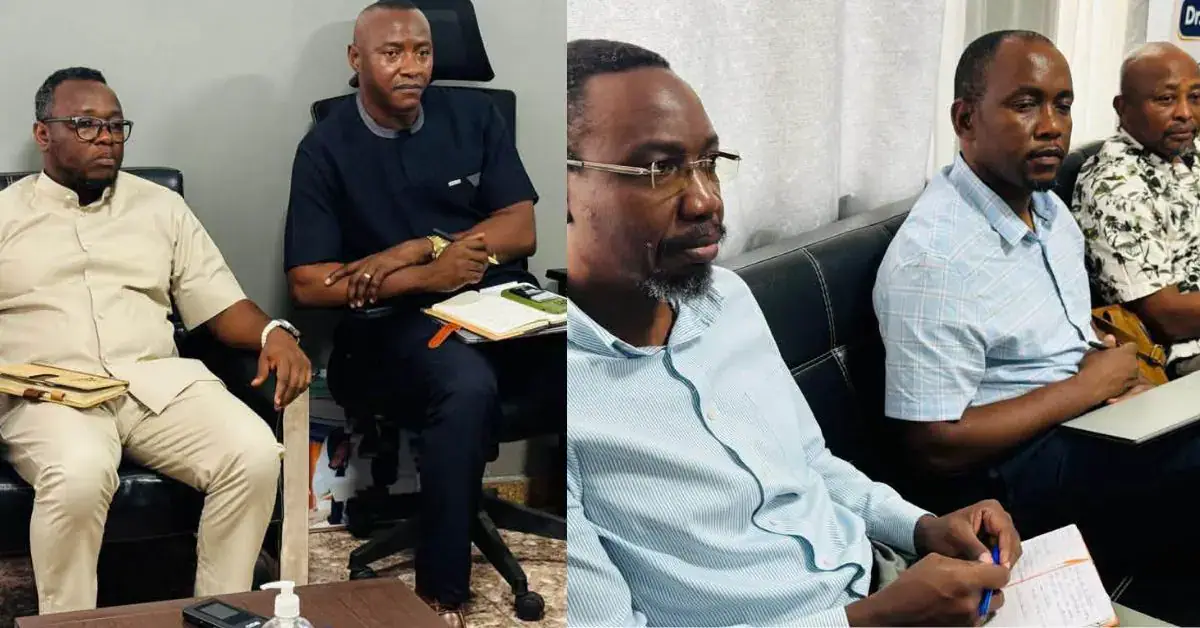
The meeting that discussed the proposed demolitions was attended by Chief Medical Officer Dr. med Mustapha Sundifu Kabba and a PIH delegation led by Executive Director Madam Vickey Reed. Other attendees included the Director of Hospital and Ambulance Services, Mr. Ibrahim Foday-Musa; PIH Director of Policy and Partnership, Mr. Yembeh Marrah; and the hospital administrator. During the discussions, participants proposed relocating and rebuilding the EPI facility within the District Health Management Team (DHMT) complex. They emphasized the need to maintain immunization services throughout the process and ensure the safety of vaccines, cold-chain equipment, and essential supplies.
To ensure continuity of services, PIH considered temporary arrangements, including the possible use of the former pediatric facility after the department relocates to the refurbished maternity building. The broader reconstruction plan includes a new pediatric complex, improved wastewater and potable water systems, and internal access roads aimed at strengthening the hospital's infrastructure and service delivery. These plans aim to address existing infrastructure gaps and improve the overall quality of care provided by the hospital.
Beyond the physical infrastructure, the meeting addressed staffing shortages, attendance, accountability, and hospital management. Possible staff secondments were discussed as a way to fill workforce gaps and strengthen institutional capacity. Dr. Kabba stressed that infrastructure investments must be supported by adequate staffing, effective supervision, and sound management to translate into improved patient care. This highlights the importance of a comprehensive approach to healthcare system strengthening.
The discussions also covered maternal and neonatal mortality, including preventable deaths. Hospital management outlined measures to strengthen emergency response, clinical supervision, mortality reviews, and professional accountability. Officials highlighted the deployment of a medical officer at the pediatric emergency entrance, which they said had contributed to two weeks without recorded pediatric deaths. This development demonstrates the hospital's commitment to improving emergency care and reducing mortality rates.
Dr. Kabba further emphasized coordination, accountability, prudent financial management, and sustained collaboration between the Ministry of Health and its development partners. He said improvements at the hospital should result in measurable gains in healthcare quality, patient safety, and health outcomes. The Ministry and PIH agreed to continue discussions on the hospital's infrastructure and staffing requirements, with further talks expected within the next two weeks to review possible support arrangements and determine the next steps.
The major overhaul of Koidu Government Hospital is expected to have a significant impact on healthcare delivery in Sierra Leone. Key aspects of the planned reconstruction include a new pediatric complex, improved water and sanitation systems, and enhanced hospital management. The success of this project will depend on effective collaboration between the Ministry of Health, PIH, and other stakeholders.
Key points
- Five structures at Koidu Government Hospital are set for demolition as part of a major overhaul.
- The proposed demolitions are expected to allow topographical and geotechnical surveys to be conducted ahead of the planned construction.
- The broader reconstruction plan includes a new pediatric complex, improved wastewater and potable water systems, and internal access roads.