The Mahathi Lake Victoria Fuel Project has emerged as a significant component of Uganda's energy and logistics infrastructure. The project, operated by Mahathi Infra Uganda Limited, links Kisumu in Kenya to Bugiri-Bukasa in Uganda through specialised petroleum vessels, storage facilities, and supporting road distribution infrastructure. This development offers an alternative route for moving bulk fuel from Kenya into Uganda, opening new possibilities for regional trade and diversifying transport corridors.
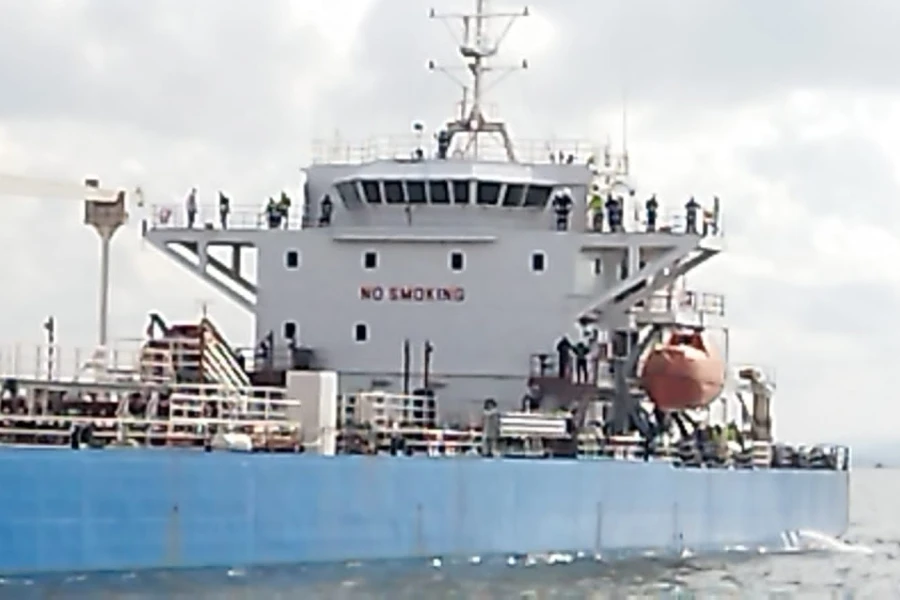
The project comes at a time when Uganda and other landlocked economies are seeking to improve supply-chain resilience and reduce pressure on heavily used road networks. Through the lake route, refined petroleum products can be transported in bulk from Kisumu before being stored at the Ugandan terminal and subsequently distributed to different parts of the country and potentially neighbouring markets. Vessels such as MT Kabaka Mutebi II and MT Elgon operate on the route, with MT Elgon reported to have a capacity of approximately 4,500 cubic metres, or about 4.5 million litres.
Uganda has historically depended heavily on the Northern Corridor for imports, including petroleum products transported by road from Kenya's coast. However, reliance on road transportation comes with challenges, including congestion, accidents, border delays, road deterioration, and exposure to disruptions along major routes. The lake transportation project provides an additional option, allowing bulk fuel to travel by vessel between Kisumu and Uganda, after which road tankers can distribute it from the terminal to inland destinations.
The Uganda Revenue Authority has highlighted the potential for lake transportation to reduce petroleum transportation costs and ease pressure associated with large numbers of fuel tankers using border points such as Malaba and Busia. The benefits include reduced heavy-truck traffic, lower pressure on road infrastructure, and potentially improved efficiency in petroleum distribution. This multimodal logistics chain can change the role of roads, making them part of a larger system rather than carrying the entire bulk movement burden from the coast.
For a landlocked country, energy security is closely connected to transportation security. Uganda's economy depends on reliable supplies of petroleum products for transportation, industry, agriculture, construction, and other activities. Any prolonged disruption along a major import route can have wider economic consequences. Diversifying the transportation system provides an additional layer of resilience, reducing the country's dependence on a single mode of transportation.
Mahathi Infra Uganda has invested heavily in developing the infrastructure for the project, which involves an interconnected system of marine vessels, terminals, storage tanks, jetties, and road distribution. In 2023, the company secured US$95.25 million from Africa Finance Corporation to support expansion of its lake transportation system, including additional barges and associated infrastructure. The wider investment has been reported at approximately US$270 million.
The project also has implications for Kenya, particularly Kisumu, which is strategically positioned on Lake Victoria and has long been identified as an important commercial centre for western Kenya. The development of petroleum transportation infrastructure gives the city's port an additional role in regional logistics, creating demand for port handling, storage, marine engineering, vessel maintenance, logistics, and other services. However, the economic argument for commercial navigation must be balanced with the environmental importance of Lake Victoria, which supports fisheries, tourism, agriculture, transportation, and millions of people living around its basin.
Key points
- The Mahathi Lake Victoria Fuel Project offers an alternative route for bulk fuel transportation from Kenya into Uganda.
- The project has the potential to reduce petroleum transportation costs and ease pressure on road infrastructure.
- The development of the project requires a high level of environmental vigilance to protect Lake Victoria's ecosystem.