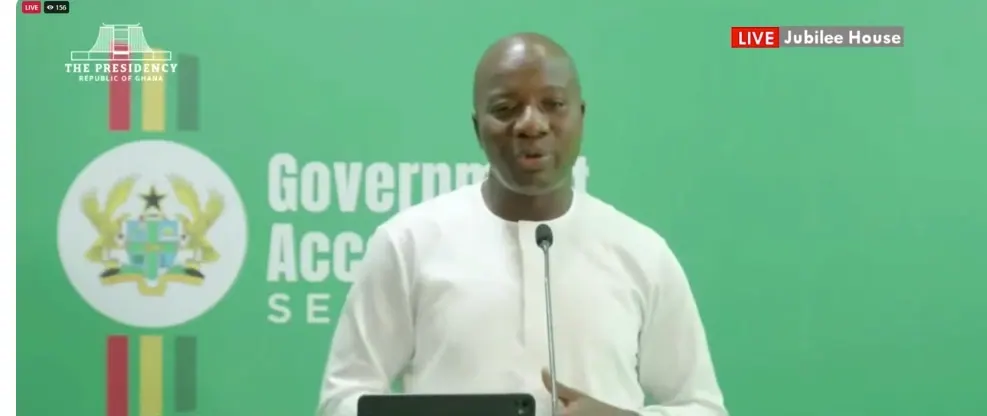
Ghana's Minister of Local Government, Chieftaincy and Religious Affairs, Mahama Ayariga, has instructed all Metropolitan, Municipal and District Assemblies (MMDAs) to broadcast their general assembly meetings live on local radio stations. This move aims to promote transparency and strengthen local development by enabling residents to follow deliberations and understand decisions taken by their local authorities.
The directive was issued on the instructions of President John Dramani Mahama and requires broadcasts to be conducted in the dominant local languages. This ensures that community members can easily understand proceedings and participate meaningfully in local governance. The Minister emphasized that assemblies must comply with the directive, warning that non-compliant assemblies would be queried.
During the Regional Accountability Series Tour in Goaso, Mr Ayariga stressed the importance of community engagement in local governance. He disclosed that the President expects assemblies to organise accountability forums to report on their activities and engage traditional leaders and residents on development issues. These forums will help deepen democracy, improve accountability and strengthen collaboration between local authorities and the communities they serve.
The Minister further directed regional ministers to ensure that the assemblies organise the accountability engagements, with the regional ministers themselves chairing the sessions. This move is expected to enhance the role of regional ministers in overseeing local governance and promoting accountability. By doing so, the government aims to bridge the gap between local authorities and the communities they serve.
Mr Ayariga's directive is part of a broader effort to promote transparency and accountability in local governance. By broadcasting meetings live on local radio, assemblies can provide real-time information to residents, fostering a sense of community and inclusiveness. This move is also expected to encourage citizen participation in local decision-making processes.
The Minister's emphasis on using dominant local languages for broadcasts is crucial in ensuring that community members can understand and engage with local governance processes. This approach acknowledges the importance of language in communication and aims to promote inclusiveness in local governance. By doing so, the government can ensure that all residents have a voice in local decision-making.
The implementation of this directive will be closely monitored, with regional ministers playing a key role in ensuring compliance. Assemblies that fail to comply with the directive will face consequences, underscoring the government's commitment to promoting transparency and accountability in local governance. The success of this initiative will depend on effective implementation and collaboration between local authorities and community members.
Key points
- The directive aims to promote transparency and strengthen local development by enabling residents to follow deliberations and understand decisions taken by their local authorities.
- Broadcasts must be conducted in the dominant local languages to ensure community members can easily understand proceedings.
- Assemblies that fail to comply with the directive will be queried, underscoring the government's commitment to promoting transparency and accountability.