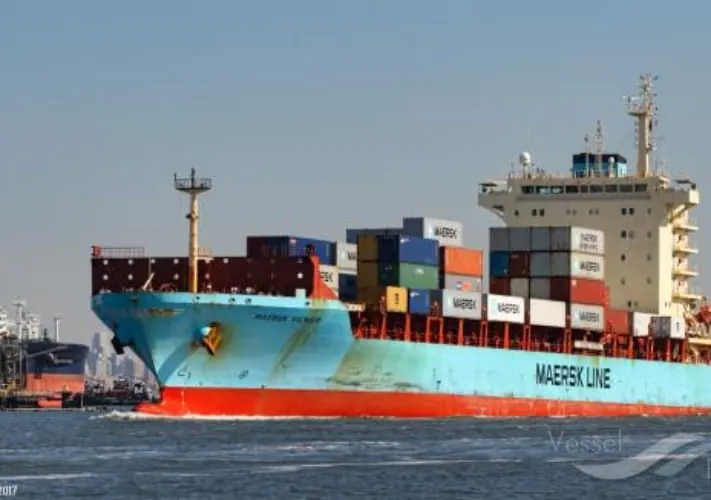
Danish shipping company Maersk has announced the implementation of a no-load policy for export shipments from Australia and New Zealand. The policy, which will be fully effective from November 30, 2026, requires customers to complete shipping documents before the vessel loading plan is finalized. This move aims to improve document readiness, prevent avoidable delays, and support more reliable cargo connections and transshipments.
The no-load policy will be introduced on a trial basis on November 2, 2026, before becoming fully operational. Maersk has specified that the policy will apply to eligible shipments loaded from the designated date. Under the policy, exporters must provide complete and accurate shipping instructions by a specified deadline. They must also review a verify copy, which is a draft bill of lading, and request any necessary amendments promptly.
Maersk has outlined specific requirements for the verification process. In Australia, the deadline for completing the verification process applies at the first loading port. In New Zealand, the deadline applies at the deep-sea loading port or compliance port, not at the feeder port. The verification process must be completed within 38 hours before the expected vessel arrival time. Failure to meet this deadline will render shipments ineligible for inclusion in the final loading list.
Shipments that miss the deadline may be transferred to the next available vessel, resulting in potential additional costs for customers. These costs may include storage fees, container detention charges, demurrage fines, terminal handling charges, and re-handling fees. Maersk has emphasized that customers with partial shipping documents must complete all related verification copies, as any pending documents may affect the entire shipment.
The implementation of the no-load policy is aimed at enhancing supply chain efficiency and reliability. By ensuring that all necessary documents are complete and accurate, Maersk seeks to minimize delays and support smoother cargo movements. This policy also aligns with the requirements of the Safety of Life at Sea (SOLAS) convention, which mandates the provision of advance information on planned cargo.
Maersk's decision to introduce the no-load policy reflects its efforts to streamline operations and improve customer experience. The policy is designed to encourage exporters to prioritize document readiness and adhere to deadlines. By doing so, Maersk aims to reduce the risk of delays and associated costs, ultimately benefiting both its customers and the broader supply chain.
The no-load policy is part of Maersk's broader strategy to optimize its services and improve the efficiency of its operations. By implementing this policy, the company aims to provide more reliable and efficient cargo connections, ultimately supporting the growth of international trade. The policy's impact on exporters and the wider logistics industry will be closely watched as it comes into effect.
Key points
- Maersk's no-load policy aims to improve document readiness and prevent avoidable delays in export shipments from Australia and New Zealand.
- The policy requires customers to complete shipping documents before vessel loading plans are finalized.
- The policy will be fully effective from November 30, 2026, with a trial phase starting on November 2, 2026.