The Madlanga commission held its first public hearing on September 17, marking a year since it began investigating allegations of corruption within South Africa's police service. The commission was established by President Cyril Ramaphosa after KwaZulu-Natal police commissioner Lt-Gen Nhlanhla Mkhwanazi made several allegations against high-ranking police officers at a press conference on July 6, 2025. Mkhwanazi's testimony set the stage for the commission to probe some of the most serious allegations about the police service since the end of apartheid.
The commission's hearings have uncovered the true extent of corruption within law-enforcement agencies at both national and local levels. One of the key revelations was the disappearance of illicit drugs worth millions of rands from police custody after they had been confiscated in a police operation. The hearings have also shed light on high-profile killings, including that of a club DJ and his associates, which were linked to a clandestine drug-dealing syndicate with ties to various industries, including minibus taxis, VIP security, and mining.
The commission's findings have been damning, revealing that many of these crimes were committed with the active assistance or planning of high-ranking police officers and traffic cops. The revelations have raised concerns that South Africa is on the brink of becoming a gangster state. The commission's work has also implicated some elected representatives, including cabinet ministers, in aiding and abetting criminal activity. This has contributed to the country's struggles against crime and corruption, despite significant resources and personnel being dedicated to the cause.
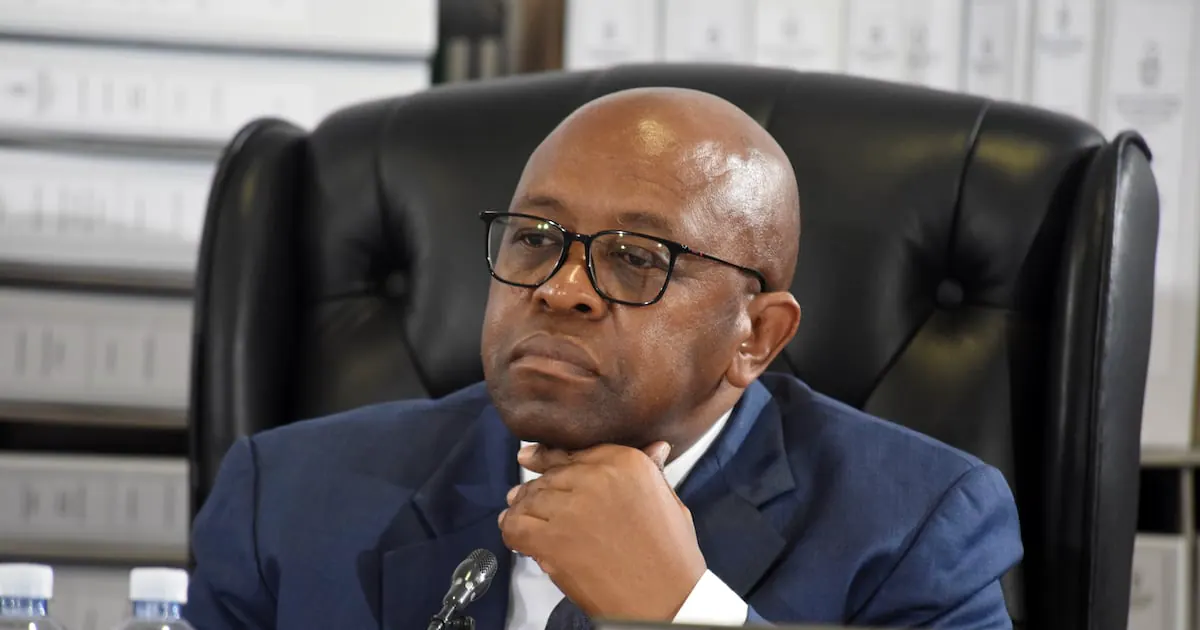
However, the commission has also highlighted the dedication and talent of professionals across various fields who are working to make South Africa a better place. Brave police officers, public servants, and experts have appeared before the commission to expose wrongdoing and provide advice on how to improve the justice system. The commission's members, including justice Mbuyiseli Madlanga and his co-commissioners, as well as legal practitioners working in various roles, have also been credited with upholding the country's legal profession.
The Madlanga commission has been given more time by President Ramaphosa to complete its work and compile a final report. The report is expected to include recommendations for addressing the systemic corruption and crime that have been exposed. Citizens are eagerly awaiting the report's release, hoping that it will lead to tangible reforms and a safer, more just South Africa.
While the commission's findings have been disheartening, they have also provided a glimmer of hope that the country can overcome its current challenges. The commission's work has shown that there are many individuals and organizations working tirelessly to expose corruption and promote accountability. If the final report and its recommendations are acted upon, it could mark a significant turning point in South Africa's fight against crime and corruption.
Ultimately, the success of the Madlanga commission's efforts will depend on the government's willingness to implement its recommendations. Citizens will need to ensure that the report does not end up in a government filing cabinet, where many recommendations are often lost. If the report's recommendations are acted upon, it could help to build a safer, more just, and law-abiding South Africa.
Key points
- The Madlanga commission has exposed widespread corruption within South Africa's police service and government.
- The commission's hearings have revealed the involvement of high-ranking police officers and elected representatives in aiding and abetting criminal activity.
- The commission's final report and recommendations will be crucial in determining the government's commitment to addressing systemic corruption and crime.