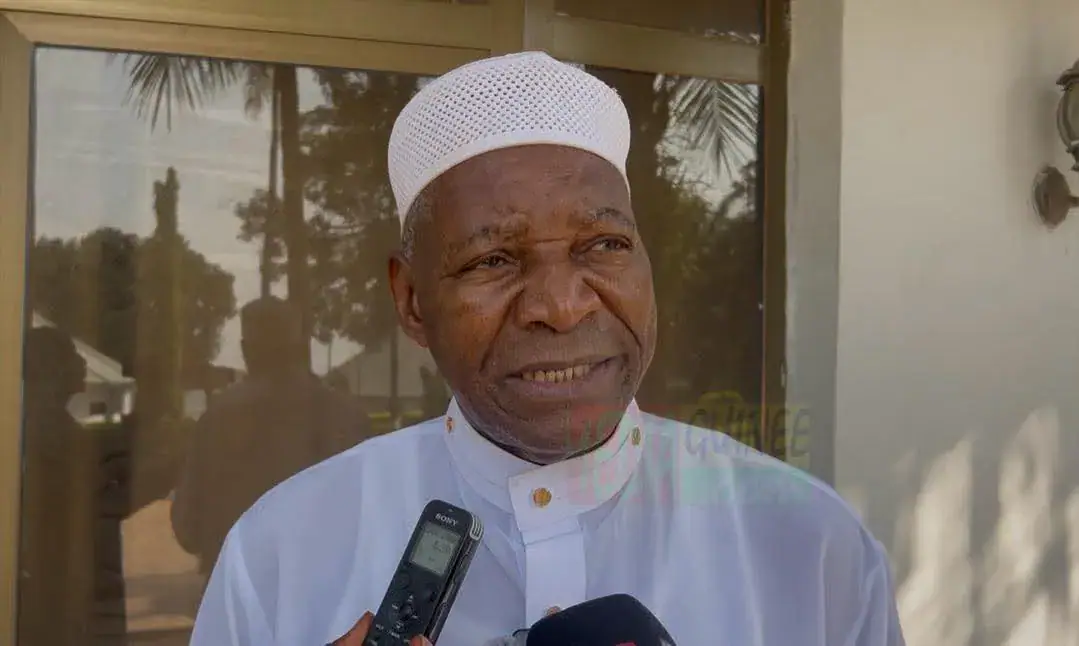
Former Guinean minister Madifing Diané has called for unity and restraint in the face of growing tensions between Guinea, Mali, and Burkina Faso. Diané made the appeal in response to reactions sparked by the departure of Burkinabé gold miners from the Guinean locality of Milo. He emphasized that historical ties between the peoples of the three countries should not be jeopardized by current divergences.
Diané drew on the history of the sub-region and the legacy of pan-Africanism to make his case for unity. He cited a past border dispute between Mali, under Moussa Traoré, and the then Haute-Volta, now Burkina Faso, which was resolved in Guinea under the mediation of President Ahmed Sékou Touré. Diané recalled that Touré had always sought unity among African peoples, citing his attempts to create the Ghana-Guinea-Mali Union and a proposed federation with Mali.
The former minister also highlighted the strong relations between Conakry and Bamako, including the construction of the Sélingué dam in Mali and historical discussions on colonial-era borders. He noted that Touré had considered the border between Mali and Guinea as a single entity, referring to it as "the point zero." Diané emphasized that this spirit of unity is essential for the youth of Africa, who must work together to build a prosperous future.
Diané directly addressed the current situation, marked by the departure of Burkinabé nationals from Guinean gold mining areas. He urged against interpretations that could fuel divisions between populations, stressing that there will never be a quarrel between Mali, Guinea, and Burkina Faso. Diané distinguished between measures taken by authorities and the relationships between peoples, referencing President Ibrahim Traoré's decision regarding minors.
The former minister emphasized the importance of preserving the legacy of African leaders who worked towards emancipation and rapprochement. He recalled Guinea's contribution to the creation of the Organization of African Unity (OAU), now the African Union. Diané expressed concern about discourse that could incite division, urging focus on the real issues at hand.
Diané called on the new generation to promote pan-Africanism, particularly through social media. He stressed the need to transmit values of unity and solidarity, encouraging the youth to have confidence in themselves, their future, and their ability to shape their destiny. Diané drew inspiration from past struggles against colonization and efforts to build continental institutions.
Ultimately, Diané advocated for a common destiny among African populations, emphasizing that resources, policies, and responsibilities should be approached with a view to collective prosperity. He urged Guineans, Burkinabés, and Malians not to let current differences undermine their historical ties, appealing particularly to the youth to preserve the spirit of African unity.
Key points
- Madifing Diané urges unity and restraint amid tensions between Guinea, Mali, and Burkina Faso.
- Diané cites historical ties and pan-African legacy to make his case for unity.
- The former minister emphasizes the importance of preserving African leaders' legacy and promoting collective prosperity.