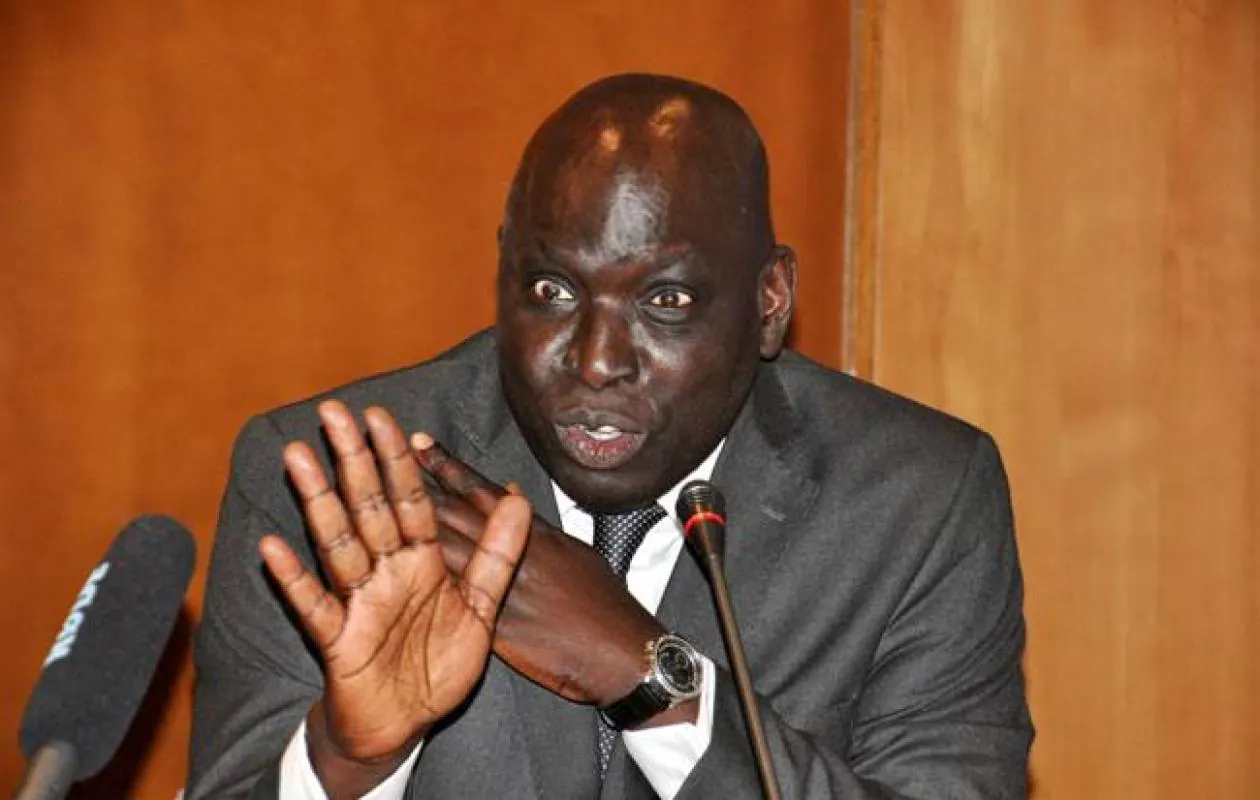
The lawyers of Madiambal Diagne, a Senegalese journalist and founder of the Avenir Communication group, have filed a new request with the Chambre d'accusation financière to annul the international arrest warrant issued against him. According to the newspaper Les Échos, the defense team argues that the warrant was issued in violation of the Code de procédure pénale, specifically citing a failure to respect the hierarchy of mandates. This development comes as Diagne faces allegations of involvement in rétrocommissions, estimated at 21 billion FCFA, which were allegedly paid to the SCI Pharaon, a family-owned company.
Madiambal Diagne's lawyers claim that the parquet général financier failed to formulate its requisitions after a first request for annulment was filed on October 8, 2025. This, they argue, prevented the Chambre d'accusation financière from examining the request. Diagne's defense team views this as a "mauvais fonctionnement des services de l'État" that has caused their client harm. In response, Diagne has instructed his lawyers to prepare a separate lawsuit against the Senegalese state, seeking 1,000 billion FCFA in damages. The lawsuit has not yet been filed.
The allegations against Diagne stem from a report by the Cellule nationale de traitement des informations financières, which led the parquet financier to suspect that rétrocommissions were paid to the SCI Pharaon. Diagne is accused of being involved in this affair. The journalist left Senegal after being placed under an interdiction de sortie, or exit ban, from the country.
The case against Madiambal Diagne has garnered significant attention in Senegal. His media group, Avenir Communication, is well-known in the country. The journalist's lawyers are vigorously contesting the charges against him, arguing that the procedures followed by the authorities were flawed.
The international arrest warrant issued against Diagne has raised concerns about press freedom in Senegal. The country has a reputation for being relatively open to critical journalism, but this case has sparked debate about the limits of free speech and the role of the judiciary in regulating the media.
Madiambal Diagne's case is being closely watched by media observers and human rights groups. They are concerned about the potential implications for press freedom and the protection of journalists from judicial harassment. The Senegalese state has a responsibility to ensure that its agencies act within the law and respect the rights of all citizens, including journalists.
The lawsuit seeking 1,000 billion FCFA in damages from the Senegalese state is a significant development in this case. If successful, it could have far-reaching consequences for the country's treasury and the way its agencies operate. The case is likely to continue to unfold in the coming weeks and months, with many stakeholders watching closely.
Key points
- Madiambal Diagne faces an international arrest warrant and a lawsuit seeking 1,000 billion FCFA in damages from the Senegalese state.
- The journalist is accused of involvement in rétrocommissions estimated at 21 billion FCFA.
- Diagne's lawyers argue that the procedures followed by the authorities were flawed, and they are contesting the charges against him.