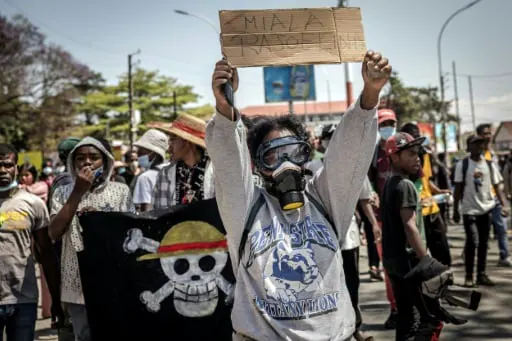
A year after sparking protests that led to the ousting of President Andry Rajoelina, Madagascar's Gen Z activists express disappointment with the new government's methods. They claim the administration has resorted to the same old tactics, including crackdowns on dissent. The young protesters had initially rejoiced when soldiers from the Capsat military unit joined them in October last year, leading to Rajoelina's departure.
The protests, which began on September 25, focused on chronic water and power shortages. Herizo Andriamanantena, a 30-year-old agricultural engineer and figurehead of the movement, recalled the euphoria when the military seized power and Colonel Michael Randrianirina was sworn in as interim leader on October 17. However, Andriamanantena notes that only minor changes have occurred since then.
In April, the activists organized a march to protest the slow pace of promised reforms, but the new authorities responded with a crackdown. Herizo and five other activists were arrested and charged with endangering state security, a charge that allows for detention of up to 15 days. Herizo spent 13 days in police custody, sharing a small cell with around 20 prisoners.
The activists faced harsh treatment during detention. Nomena Ratsihorimanana, 36, who was also arrested, reported being violently apprehended, including being rammed by an SUV and beaten for around an hour. He was released after five days, but not before being threatened with death and having a gun put in his mouth.
According to lawyer Maromanana Aliarivelo, the charge of endangering state security has long been used by those in power in Madagascar to silence critics. The activists feel their efforts to bring about change have been undermined. Felana Andriatahina, a 32-year-old eco-construction entrepreneur and activist, said, "It's thanks to us taking to the streets... that they're in power today. It's a betrayal."
The Gen Z movement, which had around 200,000 followers on its Facebook page at the height of the revolt, was hacked and deleted shortly before the military switched sides. The movement was diverse, comprising mainly urban, educated young people. Political scientist Ketakandriana Rafitoson noted that the movement drew people from various backgrounds, but its unity was short-lived.
As the first anniversary of the protests approaches, some factions of the movement have affirmed their support for Colonel Randrianirina, who has promised elections by the end of next year. However, others remain wary of official commemorations, fearing they may be used to manipulate the narrative. The programme in the capital Antananarivo includes the unveiling of a stele, a march, and an address by the island's new strongman at the central May 13 Square.
Key points
- Gen Z activists in Madagascar feel betrayed by the new government's old tactics.
- The movement that helped topple President Andry Rajoelina has splintered, with some factions supporting the new administration.
- The activists' efforts to bring about change have been undermined by the government's crackdown on dissent.