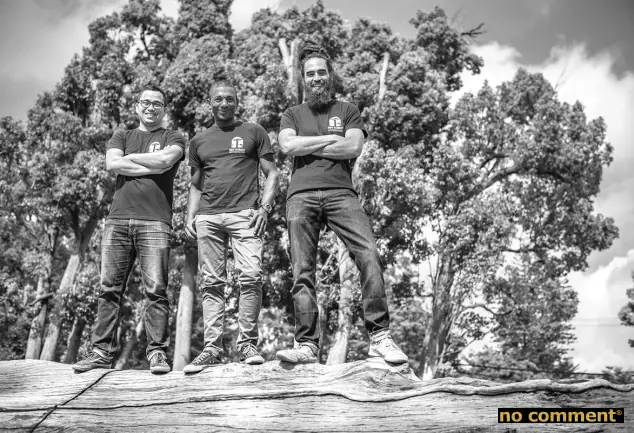
Madagascar is home to seven of the eight known baobab species, with six being endemic to the island. The dry forests that harbor these species are under threat due to human activities, and conservation efforts are underway to preserve and regenerate the environment. The NGO Dry Forest, co-founded by Hamill Harrisson, Erwan Rabenevanana, and Jérémy Ranjatoelina, aims to combine their expertise to protect and restore the dry forests.
The baobab, also known as "renala" or the "mother of the forest," was once widespread across the island, covering over 60% of its territory. However, it is now mainly found in the southwestern, western, and northern regions. Kirindy Mité, near Belo-sur-Mer, is home to the largest baobab forest in the world. Erwan Rabenevanana emphasizes the importance of preserving the baobab, but also notes that other tree species, often useful to local communities, must be protected alongside it.
The dry forests of Madagascar are characterized by their dry conditions, with six to eight months of drought per year. The plants that inhabit these forests have developed unique resistance mechanisms and active principles that could be valuable for human health and well-being. The baobab fruit, in particular, is considered a superfood due to its high antioxidant, vitamin C, potassium, and fiber content.
Human activities, such as deforestation for charcoal, maize, and peanut production, pose a significant threat to the dry forests. The NGO Dry Forest aims to create sustainable and inclusive value chains by establishing environmentally friendly agricultural enterprises that provide decent employment and income opportunities. The organization has already made progress, with over 6,000 baobabs sponsored and 12,000 baobabs and 45,000 trees planted.
The NGO's Save Baobabs program has led to the establishment of three nurseries in local schools, providing education and training on biodiversity and sustainable agriculture. The program has also generated four sustainable jobs, income for 200 villagers, and raised awareness among nearly 3,000 people. Future projects include the creation of an eco-factory to process non-timber forest products and provide access to solar electricity and clean water for local villages.
The conservation efforts of Dry Forest and other organizations are crucial for preserving Madagascar's unique biodiversity. The country's dry forests are not only home to a wide range of plant and animal species but also provide essential ecosystem services and support the livelihoods of local communities. By protecting and regenerating these forests, the NGO aims to contribute to the country's sustainable development and poverty reduction.
As Madagascar continues to face environmental challenges, the work of organizations like Dry Forest is essential for promoting sustainable land use and conservation practices. With the support of local communities, governments, and international partners, it is possible to protect and preserve the country's natural resources for future generations.
Key points
- 12,000 baobabs have been replanted as part of the NGO Dry Forest's conservation efforts.
- The dry forests of Madagascar are home to a wide range of plant and animal species, including seven of the eight known baobab species.
- Human activities, such as deforestation and agriculture, pose a significant threat to the dry forests and conservation efforts are underway to protect and regenerate these ecosystems.