Thirty years after Madagascar ratified the UN Convention on the Rights of the Child, the country's progress in protecting children's rights remains limited. Despite efforts to respect the terms of the convention, the situation remains critical, with millions of children lacking access to basic rights such as education, healthcare, and clean water. According to the 2018 Multiple Indicator Cluster Survey (MICS), three-quarters of registered children still do not have birth certificates.
The Malagasy government has made efforts to address these issues, with laws in place to guarantee children's rights, including access to identity documents, protection for children without parental support, and measures for children in conflict with the law. The government has also partnered with civil society organizations to improve the situation and create a healthier and safer environment for children. The Plateforme de la société civile pour l'enfance (PFSCE), a coalition of 59 civil society organizations, has been working to promote children's rights since 2008.
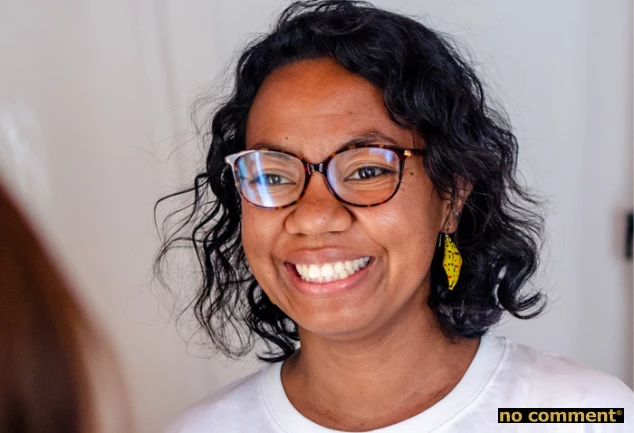
The PFSCE, led by Ando Nomenjanahary, brings together a diverse range of organizations, including international and national groups, as well as local and community-based organizations. The platform focuses on supporting seven types of beneficiaries, including children with disabilities, street children, and those affected by abuse and exploitation. Through education, awareness-raising, and support, the PFSCE aims to improve the lives of children across Madagascar.
This year, the PFSCE is highlighting the importance of environmental protection as a critical aspect of children's rights. With Madagascar facing significant environmental challenges, including climate change, the organization believes that education and awareness-raising are essential in promoting sustainable development. To mark the International Day of the Child on November 20, 2021, the PFSCE organized a tree-planting event in Andramasina, involving 1,000 children and 200 educators.
The event aimed to raise awareness among children about the importance of environmental protection and their role in promoting sustainable development. By educating children about the ecosystem and encouraging them to take action, the PFSCE hopes to empower them to become agents of change in their communities. The organization believes that by working together, children, civil society, and government can address the interconnected challenges facing Madagascar's children and environment.
Despite progress in some areas, Madagascar still faces significant challenges in protecting children's rights. The country's vulnerability to climate change and environmental degradation exacerbates existing issues, including poverty, lack of access to education and healthcare, and exploitation. The PFSCE and other civil society organizations are calling for increased action and commitment from government and stakeholders to address these challenges.
As Madagascar looks to the future, the PFSCE emphasizes the need for a comprehensive approach to promoting children's rights, one that takes into account the intricate links between environmental protection, sustainable development, and child well-being. By prioritizing the needs of children and the environment, the organization believes that Madagascar can build a brighter future for its young people and create a more just and equitable society.
Key points
- Three decades after ratifying the UN Child Rights Convention, Madagascar still faces significant challenges in protecting children's rights.