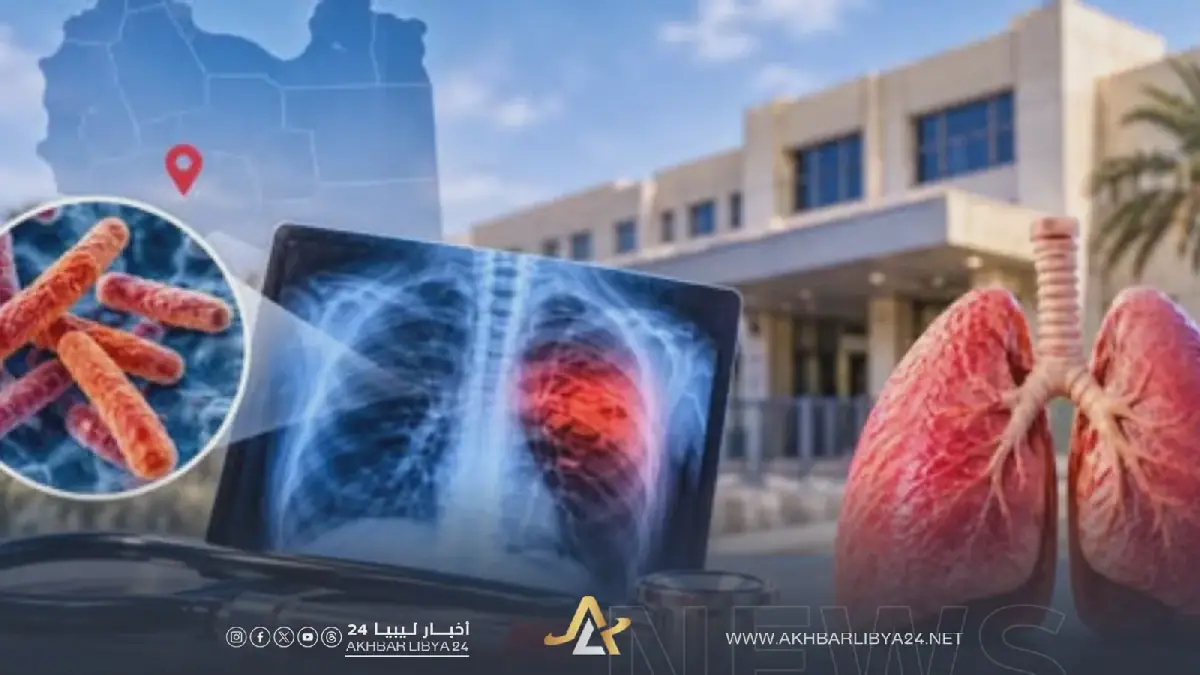
A medical study published in the Libyan Journal of Medical Research on November 2 has found that 152 confirmed cases of disease were recorded among patients at Sabha Medical Center from 2022 to August 2026. The study highlights the prevalence of disease in the southern region and reveals that infections are concentrated among men and young age groups.
According to the study, men accounted for 80.9% of all cases, while women made up 19.1%. The age group between 20 and 35 years old had the highest number of cases, accounting for 48% of the total. This was followed by the age group between 36 and 50 years old, which accounted for 27%. These findings suggest that young people and men are more likely to contract the disease.
The study also found that Libyan and non-Libyan patients had similar numbers of cases, with 72 Libyan patients and 70 patients from other nationalities, primarily from Niger, Sudan, and Chad. The study was unable to determine the nationalities of 10 patients. These numbers indicate that cases were recorded among multiple population groups, emphasizing the need for further testing and medical follow-up.
In terms of types of disease, the study recorded 94 cases of pulmonary disease, 29 cases of extrapulmonary disease, and 29 cases that involved both types. A total of 123 cases involved pulmonary infections out of 152. These results are significant from a health perspective, as pulmonary disease is a major form of the disease that can be transmitted through the air.
The study also found that the city of Sabha had the highest number of recorded cases, with 73 cases, followed by Ubari with 18 cases and Al-Qatrun with 11 cases. Additionally, 25 cases were recorded in correctional facilities and prisons, accounting for 16.4% of the total sample. This highlights the importance of strengthening medical screening and follow-up procedures in closed institutions.
The study also found that 13 patients had diabetes alongside disease, while 7 patients were infected with HIV. There were also cases of disease accompanied by viral hepatitis. These findings emphasize the need for medical professionals to handle cases of patients with multiple conditions, providing necessary care and testing to determine the nature of the infection.
Based on these findings, researchers have warned of the health risks associated with the transmission of disease, particularly in crowded areas. They have called for expanded early screening programs and enhanced health monitoring systems in the southern region. These numbers highlight the challenges of combating infectious diseases in southern Libya and the need for increased efforts in surveillance, diagnosis, and treatment.
Key points
- Men and young people are most affected by disease in Libya.
- Pulmonary disease accounts for the majority of cases recorded at Sabha Medical Center.
- Disease transmission risks are higher in crowded areas and closed institutions.