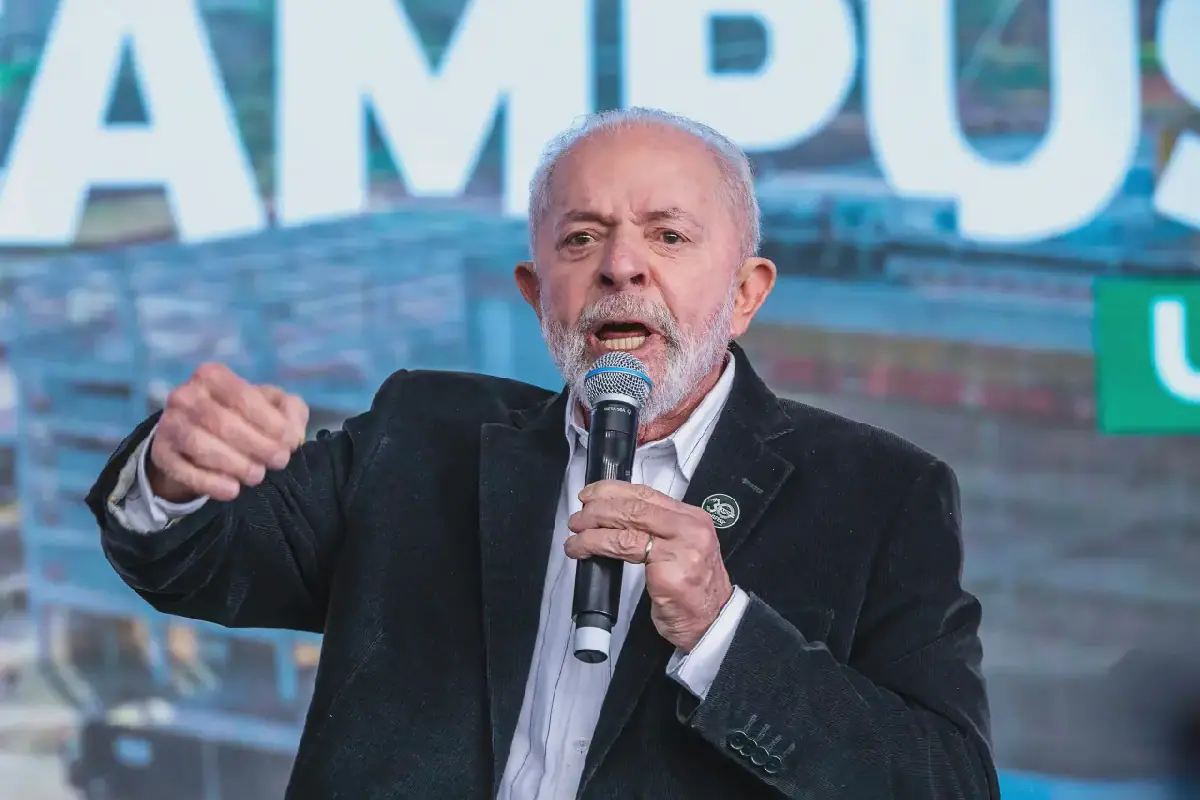
Brazilian President Luiz Inácio Lula da Silva has won re-election, securing 51.8% of the vote in Sunday's presidential runoff. Lula defeated Flávio Bolsonaro by a margin of nearly 4.4 million votes, according to the final count. This victory marks Lula's unprecedented fourth term as President of Brazil. Lula's campaign focused on reversing his second-place finish in the first round, and his re-election bid was successful.
Flávio Bolsonaro, a senator and son of former President Jair Bolsonaro, refused to concede defeat, questioning a late decision to extend voting hours by two hours. The extension was made due to reports of transport problems and heavy rain affecting voters' journeys. Lula's campaign had requested extra time in areas where bus services had disrupted voters' journeys, and Bolsonaro's campaign also sought an extension in some regions.
The decision to extend voting hours drew criticism from Bolsonaro, who argued that the rules had changed during voting. However, Brazil's electoral court president stated that the extension did not affect the result. Notably, Bolsonaro's own campaign had also requested more time for voting in parts of the country. The legitimacy of the election result has been disputed by Bolsonaro, who plans to challenge it in court.
Lula's re-election makes him the first Brazilian presidential candidate since the return to direct elections in 1989 to finish second in the first round and then win the runoff. In the first round, Bolsonaro led Lula by more than two million votes. Lula's victory extends left-wing rule in Latin America's largest economy, while leaving Lula to govern a deeply divided country.
The result has been recognised by foreign leaders, while Bolsonaro's proposed challenge raises the prospect of a legal dispute over the election. Lula's new term is due to begin in January 2027. The country awaits the next steps in Bolsonaro's challenge, with it unclear whether a formal legal petition has been filed.
Bolsonaro's refusal to accept the result has sparked concerns about potential unrest and instability in Brazil. Lula's win has been met with support from his allies and recognition from foreign leaders. The international community is closely watching the developments in Brazil, as Lula prepares to take office for a fourth term.
Lula's re-election has significant implications for Brazil's future, as he faces the challenge of governing a deeply divided country. His new term will begin in January 2027, and he will need to navigate the complexities of Brazil's politics and economy. The outcome of Bolsonaro's challenge remains to be seen, and the country will be watching closely.
Key points
- Lula secured 51.8% of the vote, defeating Flávio Bolsonaro by nearly 4.4 million votes.
- Bolsonaro plans to challenge the election result in court, citing irregularities in the voting process.
- Lula's re-election marks his unprecedented fourth term as President of Brazil.