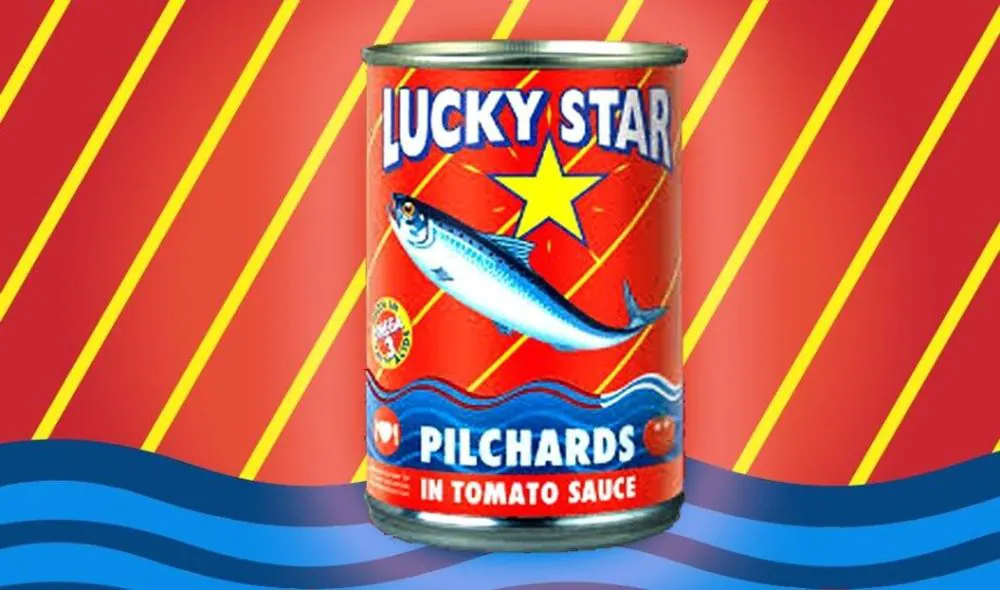
Oceana Group, a leading South African food business, has announced a mixed trading performance for the 11 months to August 2026. The company's Lucky Star business, one of South Africa's best-known canned fish brands, was significantly impacted by shortages of frozen fish raw material. This resulted in a substantial decline in local canning production and canned-fish sales volumes. According to Oceana Group, the shortages constrained canned pilchard availability and slowed sales momentum.
The shortages of frozen fish raw material had a considerable impact on Lucky Star's production. Local canning volumes fell by 60%, and canned-fish sales volumes dropped by 9% during the reporting period. The decline in sales volumes was partly offset by strong canned meat sales. However, the reduction in production volumes placed upward pressure on per-unit production costs due to fixed production costs not being fully absorbed. This was a significant challenge for the business, which sells canned fish and other canned foods to consumers across South Africa.
Despite the pressure on production, Lucky Star's operating margins benefited from several factors. These included higher net realised sales values, lower freight and inventory holding costs, a better sales mix, and increased volumes of locally caught pilchards. The positive impact of these factors helped mitigate the effects of the production decline. Oceana Group stated that Lucky Star Foods delivered mixed results for the period, with a strong first half followed by a subdued second half through to the end of August.
At group level, Oceana reported that revenue for the 11 months was in line with the previous period, while operating profit increased. The improvement was supported by better performances from Lucky Star Foods, its fishmeal and fish oil business in the US, and its wild-caught seafood operations. However, the group continued to face pressure in its African fishmeal and fish oil business, where lower production and sales volumes resulted in a significant operating loss.
The decline in Lucky Star's sales volumes was a significant contributor to the overall decline in Oceana Group's total sales volumes. Total sales volumes declined by 5%, driven by a 9% decrease in canned fish volumes, as limited inventory prevented the business from fully meeting demand. This highlights the importance of Lucky Star to Oceana Group's overall performance and the impact of the shortages on the business.
The shortages of frozen fish raw material affecting Lucky Star's production are a concern for the business and the broader industry. The incident highlights the challenges faced by food manufacturers in maintaining supply chains and production levels. Oceana Group's ability to mitigate the effects of the shortages and maintain its operating margins will be crucial in the coming months.
The mixed trading performance of Oceana Group reflects the challenges faced by the business and the industry as a whole. While the company reported an increase in operating profit, the pressure on its African fishmeal and fish oil business and the decline in Lucky Star's sales volumes are concerns that need to be addressed. The company's performance will be closely watched by investors and industry analysts in the coming months.
Key points
- Lucky Star's local canning production fell by 60% due to shortages of frozen fish raw material.
- Canned-fish sales volumes dropped by 9% during the reporting period.
- Oceana Group's operating profit increased despite the challenges faced by its Lucky Star business.