The Lucha movement, a Congolese citizen group, has strongly condemned the restrictions on fundamental freedoms that occurred on November 22 and 23 in Kinshasa and Lubumbashi. According to a statement released on November 23, the group denounced the prevention of a eucharistic celebration led by Cardinal Fridolin Ambongo at the Tata Raphaël stadium in Kinshasa, as well as the repression of a peaceful march organized by the Catholic Church in Lubumbashi.
In Kinshasa, Lucha criticized the authorities for preventing the mass that Cardinal Ambongo was to celebrate with young people at the Tata Raphaël stadium, considering this measure an attack on the freedom of religion and worship. The group described this act as an unacceptable restriction on the right to practice one's faith. Meanwhile, in Lubumbashi, Lucha condemned the intervention of law enforcement against Catholic bishops, priests, and faithful who were demanding the execution of a court decision related to a church concession in the Tshamalale neighborhood.
The Lucha movement described the repression of the peaceful march in Lubumbashi as "savage" and demanded that those responsible, both the perpetrators and those who ordered the violence, be held accountable for their actions. The group also called for the immediate and unconditional release of all individuals arbitrarily arrested during these events. Furthermore, Lucha urged the authorities to guarantee the freedoms of assembly, religion, and worship, emphasizing that these rights are enshrined in the Constitution and should not be subject to arbitrary restrictions.
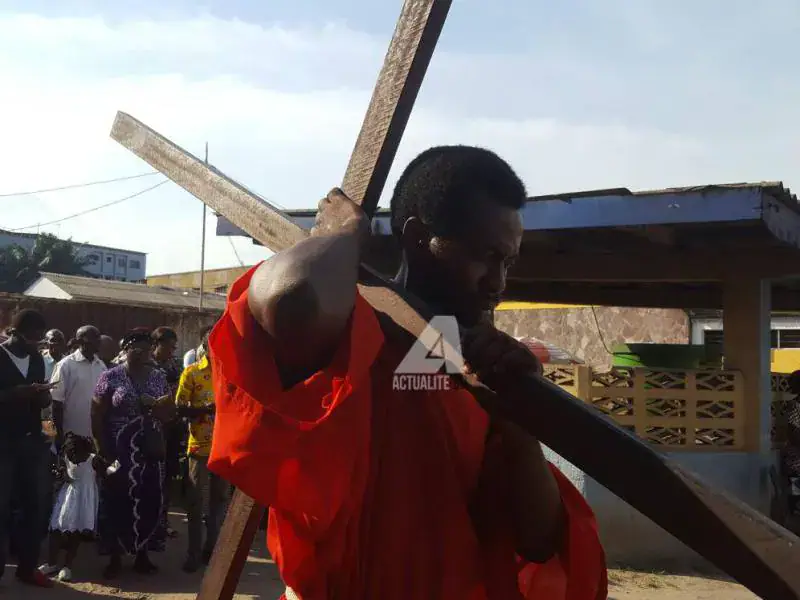
According to Lucha, the events in Lubumbashi were sparked by a land dispute between the Catholic Church and individuals occupying a church concession in the Tshamalale neighborhood. The Church claims ownership of the land and disputes the constructions erected on it, which has led to a court decision ordering the demolition of these structures. However, the constructions remain on site, according to reports. The situation escalated when the police used tear gas to disperse the demonstrators, and clashes occurred between law enforcement and Catholic faithful attempting to exit their premises.
Lubumbashi Mayor Joyce Tunda Chansa attributed the violence to the infiltration of opposition party members into the events, claiming that their presence justified the reinforcement of police presence to prevent potential public disturbances. In response, the mayor announced an urgent meeting of the Provincial Security Committee, which would include Catholic Church representatives, to examine the situation and find lasting solutions to the conflict.
The Lucha movement expressed its solidarity with the Catholic faithful, young people, and all those affected by these events. The group called on the nation's vital forces to peacefully resist attacks on fundamental freedoms, warning that silence in the face of such practices would amount to complicity. By denouncing these restrictions, Lucha reaffirmed its commitment to defending human rights and the rule of law in the Democratic Republic of Congo.
The incidents in Kinshasa and Lubumbashi have sparked widespread concern about the protection of fundamental freedoms in the Democratic Republic of Congo. The Lucha movement's condemnation of these events highlights the ongoing challenges facing civil society and the Catholic Church in their efforts to promote human rights and accountability. As the situation continues to unfold, it remains to be seen how the authorities will respond to these concerns and ensure the protection of fundamental freedoms for all citizens.
Key points
- The Lucha movement condemns restrictions on fundamental freedoms in Kinshasa and Lubumbashi.
- The incidents were sparked by a land dispute between the Catholic Church and individuals occupying a church concession.
- The Lucha movement calls for the protection of fundamental freedoms and the accountability of those responsible for the violence.