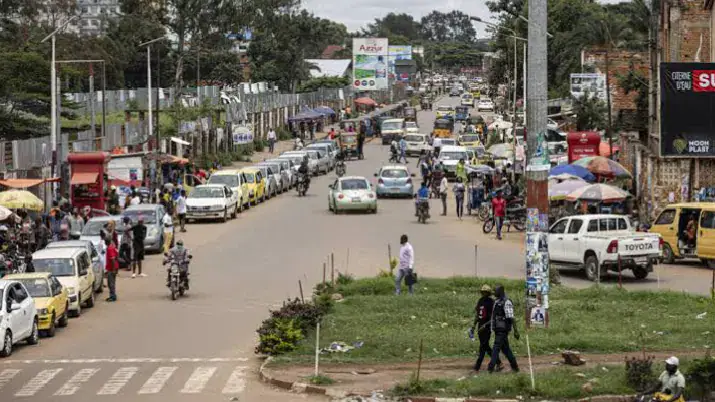
The city of Lubumbashi, in the Haut-Katanga province of the Democratic Republic of Congo, is gradually erasing the legacy of former President Joseph Kabila, who ruled the country for 18 years. The name of Kabila has been removed from the entrance of the Stadium de la Verdure, located in the Gécamines neighborhood, and several avenues in Lubumbashi. This move is seen as a patriotic act by some, who believe it will help restore the city's honor.
The government of Haut-Katanga province has taken a firm stance against Kabila, who is now associated with an armed rebellion. The provincial government has organized marches to denounce the Rwandan aggression and the actions of Kabila's supporters. The authorities have also removed Kabila's plaque from the provincial governor's office, which is seen as a signal of this new development in the province. This move is part of a broader effort to distance the region from Kabila's legacy.
According to sources, the process of removing Kabila's name from public spaces is expected to extend to several other areas and infrastructure in the province. A list of 16 sites has been identified, and the provincial authorities have been given 30 days to submit a certified list of the sites and propose new names. This move has the support of the President of the Republic, who is keen to see the country move forward from the Kabila era.
However, not everyone is in favor of this move. Some members of civil society believe that the removal of Kabila's name from public spaces is a way of erasing history, while others see it as a necessary step towards renewing the country's republican values. They argue that public spaces should reflect the country's history and values, rather than being used as a tool for political rivalries.
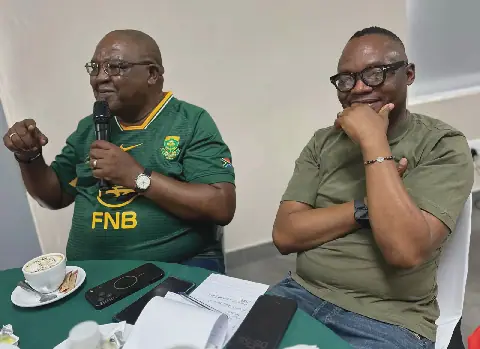
Serge Kamanda, a civil society activist, has expressed concerns that the move is being driven by political considerations rather than a genuine desire to promote national values. He believes that public spaces should not be used to settle political scores and that the country's history should be preserved. Kamanda's views are not shared by all, however, and the debate over the removal of Kabila's name from public spaces is likely to continue.
The removal of Kabila's name from public spaces is taking place against a backdrop of insecurity in the eastern DRC, where the FRN rebellion, backed by Rwanda, is causing widespread violence and displacement. Kabila, who is now the leader of the FRN, is seen as a key figure in the conflict, and his legacy is likely to continue to be a contentious issue in the country.
The administration of President Tshisekedi appears to be engaged in a broader effort to distance the country from Kabila's legacy, and the removal of his name from public spaces is seen as a key part of this process. While some see this as a necessary step towards national reconciliation, others are concerned that it will erase the country's history and create new divisions.
Key points
- The city of Lubumbashi is removing references to former President Joseph Kabila from public spaces, a move seen as a new chapter for the city.
- The government of Haut-Katanga province has taken a firm stance against Kabila, who is now associated with an armed rebellion.
- The removal of Kabila's name from public spaces has sparked a debate over the country's history and values.