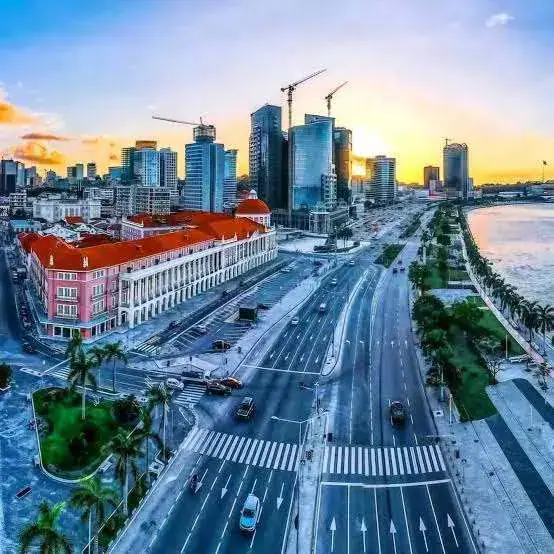
According to a World Bank report, Luanda is expected to overtake Lagos as the most populous city in sub-Saharan Africa by 2050. The report, titled Sub-Saharan Africa's Urban Awakening: Catalyzing Economic Growth and Job Creation, projects Luanda's population to reach 20.3 million, representing a 78% increase from its 2025 level of 11.4 million. This growth will make Luanda the largest city in the region, displacing Lagos from the top position.
The World Bank report draws on population projections developed by the World Bank and the European Commission's Joint Research Centre. It estimates that Lagos, which had an estimated population of 12.8 million in 2025, will grow to 16.2 million by 2050, representing an increase of more than 25%. However, Luanda's projected population will exceed that of Lagos by approximately 4.1 million within the period. The report highlights the changing population rankings of major cities in sub-Saharan Africa.
The World Bank projects that sub-Saharan Africa's urban population will expand by 748 million between 2025 and 2050, reaching approximately 1.7 billion. The region's urban population has grown significantly, rising from about 170 million in 1975 to an estimated 913 million in 2025. This rapid urbanization presents significant opportunities for economic expansion, investment, and employment generation.
However, the World Bank cautions that population growth in cities will not automatically translate into improved living standards or increased productivity. Sub-Saharan Africa must generate approximately 15 million jobs annually to accommodate its rapidly expanding young workforce. The report identifies inadequate infrastructure, poor public transportation systems, weak regulatory frameworks, and uncontrolled urban expansion as major obstacles limiting the economic potential of cities across the region.
To address these challenges, the World Bank recommends increased investment in transportation networks, basic infrastructure, and affordable housing located close to employment centers. The bank also advocates for improved urban planning, stronger financing arrangements for local governments, and policies capable of attracting private-sector investment. These strategies are crucial to ensuring that the growing population contributes meaningfully to economic productivity.
The World Bank emphasizes that well-managed urbanization can become an important driver of economic growth, provided governments address the structural challenges confronting rapidly expanding cities. Decisions taken by governments on land use, housing, and infrastructure in the coming years will have lasting implications for the development of African cities and their ability to create sustainable employment.
The report's findings highlight the need for governments to adopt deliberate urban development strategies to harness the economic potential of their cities. By doing so, they can create opportunities for economic expansion, investment, and employment generation, ultimately improving living standards for their citizens. The World Bank's recommendations offer a framework for governments to manage urbanization effectively and promote sustainable economic growth.
Key points
- Luanda is projected to overtake Lagos as sub-Saharan Africa's largest city by 2050, with a population of 20.3 million.
- Sub-Saharan Africa's urban population is expected to reach 1.7 billion by 2050, presenting significant opportunities for economic expansion and employment generation.
- The World Bank recommends increased investment in infrastructure, transportation networks, and affordable housing to address the challenges of rapid urbanization.