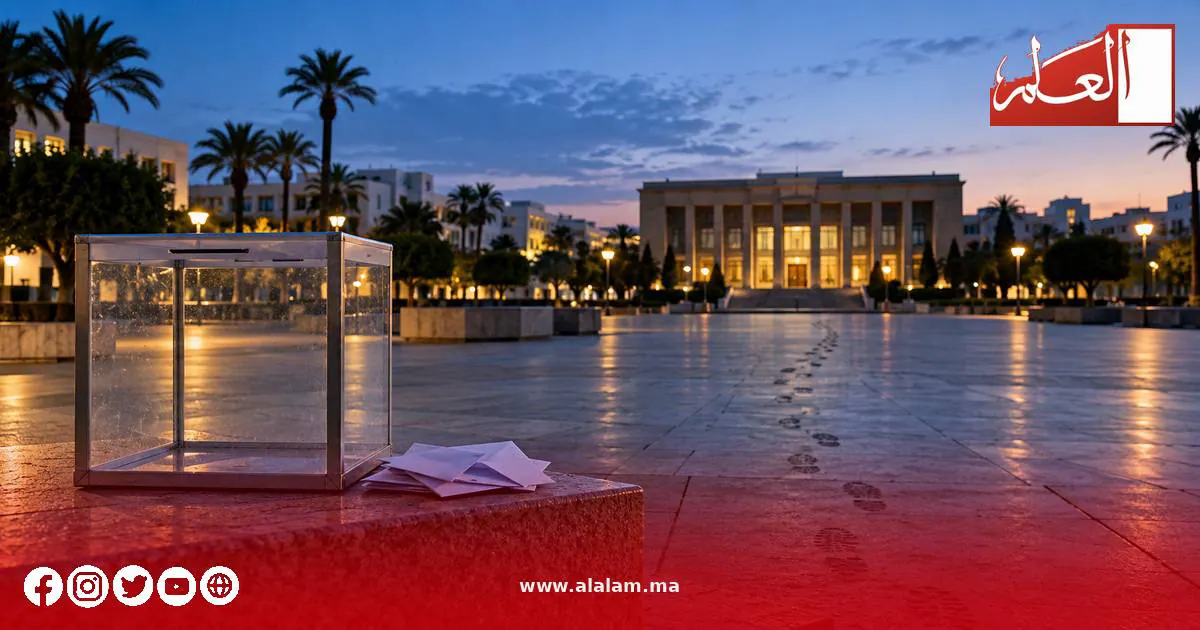
Morocco's recent legislative elections, which took place on September 23, 2026, have recorded a voter turnout of 38.08%, a figure that has raised concerns about the country's democratic model. The elections, which aimed to renew the 395 seats in the House of Representatives, have been marked by a low participation rate, prompting questions about the relationship between citizens and political representation. According to analyst and researcher Abd al-Fattah al-Sadqi, this low turnout is a pressing issue that requires a thorough examination of the factors contributing to it.
The low voter turnout can be attributed to several factors, including political disengagement, disaffection with parties, and a sense of powerlessness among citizens. Additionally, social and professional constraints during the voting period, weak mobilization of certain social groups, and widespread unemployment, particularly among young people, have also contributed to this phenomenon. The electoral system's characteristics and the conduct of the election campaign have also been cited as factors influencing the low turnout. These elements have significant implications for the country's democratic model and its development.
One of the primary concerns related to low voter turnout is the weakening of representative democracy and the widening gap between citizens and institutions. This can lead to a decline in the diversity of expectations expressed and, ultimately, erode trust in the democratic process. Furthermore, the low turnout highlights the issue of political representation, as elections may be deemed legitimate from a legal perspective but still lack popular support. This disparity between legal legitimacy and popular endorsement is a pressing concern that needs to be addressed.
The youth have been particularly absent from the electoral process, with those aged 18-24 accounting for only 4% of registered voters, despite representing around 10% of the population. Similarly, the 25-34 age group had a participation rate of just 15%, with over 5 million people from this demographic not participating in the electoral process. In contrast, individuals aged 60 and above made up over 29% of registered voters. This underrepresentation of young people in the electoral process is a significant concern, as it may indicate a disconnection between this demographic and the political system.
The disengagement of young people from politics is a significant risk to Morocco's democratic model. A survey conducted by the Associated Press revealed that many young Moroccans are skeptical about the political system and its ability to address their concerns, particularly regarding employment, education, and healthcare. This disillusionment can have long-term consequences for the country's democratic development and its ability to engage young people in the political process.
The issue of trust in institutions is also a significant concern. Low voter turnout can be attributed to various factors, including a lack of interest, practical constraints, or a sense of powerlessness. Additionally, the quality of representative democracy is also a pressing issue, as democracy is not solely about holding regular elections but also about the functioning of democratic institutions and the participation of citizens in the political process.
To address these concerns, it is essential to re-examine the country's democratic model and its institutions. This includes promoting greater transparency, inclusivity, and accountability, as well as encouraging citizen participation in the electoral process. The Moroccan Constitution has enshrined the principles of participation and pluralism in public governance, and it is crucial to build on these foundations to strengthen the country's democratic institutions and promote a more inclusive and representative political system.
Key points
- Low voter turnout in Morocco's legislative elections has raised concerns about the country's democratic model and the disengagement of citizens, particularly the youth.
- The underrepresentation of young people in the electoral process is a significant concern, as it may indicate a disconnection between this demographic and the political system.
- To address these concerns, it is essential to promote greater transparency, inclusivity, and accountability, as well as encourage citizen participation in the electoral process.