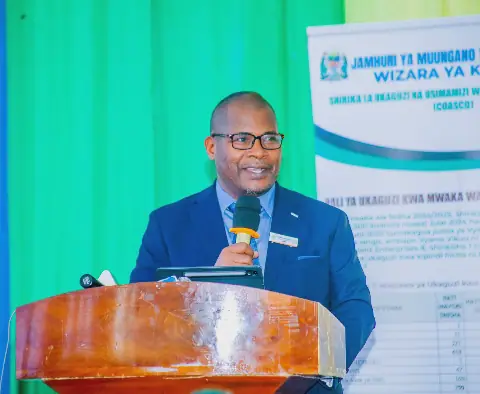
Despite significant advances in HIV prevention science, Nigeria's efforts to reduce new infections are being hindered by low public awareness, misinformation, and persistent stigma. For decades, HIV prevention campaigns in Nigeria focused mainly on familiar strategies such as HIV testing, condom use, and access to treatment. However, the prevention landscape has expanded significantly, with new biomedical tools now available to help HIV-negative individuals reduce their risk of infection before exposure.
Health experts say that these innovations provide Nigerians with more choices than ever before, but many people remain unaware of their availability, effectiveness, and accessibility. Dr. Funke Odunlade, the World Health Organisation (WHO) Technical Officer for HIV, Viral Hepatitis and Sexually Transmitted Infections in Nigeria, identified limited awareness as one of the major barriers affecting HIV prevention efforts in the country. She noted that Nigeria is experiencing a generational gap in HIV knowledge.
According to Dr. Odunlade, many Nigerians who grew up during the peak of HIV awareness campaigns had stronger exposure to information about HIV transmission, prevention, and treatment. However, younger generations are increasingly receiving health information through diverse digital platforms where accurate messages compete with misinformation. This has led to a situation where many people, especially younger generations, do not have a good understanding of what HIV is, how it's transmitted, and how it can be prevented.
Pre-exposure prophylaxis (PrEP) has become an important addition to HIV prevention strategies globally. The medication is designed for people who are HIV-negative but may have a higher risk of exposure, helping to reduce the chances of acquiring HIV. However, awareness of PrEP remains limited among many Nigerians. Dr. Odunlade noted that one challenge is that some people mistakenly believe PrEP refers to only one prevention method, despite the availability of different options designed to suit different needs.
The rapid growth of social media has changed the way Nigerians access health information. Many young people rely on online platforms to learn about issues affecting their health, relationships, and wellbeing. However, experts warn that these same platforms have also contributed to the spread of misinformation about HIV prevention. False claims about PrEP continue to circulate, including allegations that the medicine causes infertility, affects physical changes, or prevents pregnancy.
Beyond awareness and misinformation, stigma continues to pose a serious challenge to HIV prevention in Nigeria. Although HIV treatment and prevention have improved significantly, many people still associate HIV with fear, discrimination, and negative assumptions about individuals' lifestyles. Experts say stigma can prevent people from seeking testing, discussing prevention options with partners, or visiting healthcare facilities.
Health officials emphasise that HIV prevention requires multiple approaches working together rather than reliance on a single solution. Condoms remain an important prevention tool because they help reduce the risk of HIV, other sexually transmitted infections, and unintended pregnancies. PrEP provides an additional layer of protection for individuals who may benefit from it, while HIV testing, counselling, treatment, and other health services remain essential components of prevention.
Key points
- Limited awareness and misinformation about HIV prevention methods, including PrEP, are major barriers to reducing new infections in Nigeria.
- Stigma continues to pose a serious challenge to HIV prevention in Nigeria, preventing people from seeking testing, discussing prevention options, or visiting healthcare facilities.
- A combination of prevention strategies, including condoms, PrEP, HIV testing, counselling, treatment, and other health services, is necessary to address different risks and circumstances.