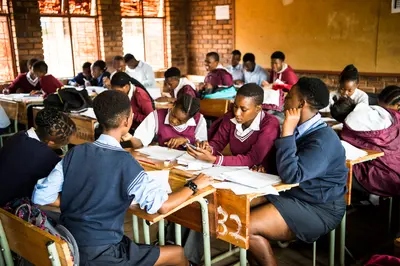
South Africa has made significant progress in recognizing the importance of a child's early years, with the government committing to universal access to quality early learning by 2030. Basic Education Minister Siviwe Gwarube has set an ambitious target of getting seven million children into structured early learning programmes over the next four years. However, experts argue that the focus should also be on the relationships that shape a child's development long before they enter a classroom.
From the moment they are born, babies begin learning through everyday interactions with their caregivers. Breastfeeding is one of the earliest and most powerful of these interactions, offering physical contact, safety, and the release of happy hormones for both mother and baby. According to the 2023 National Food Security and Nutrition Survey, 95% of South African mothers say they breastfed their children at some point during their first two years of life.
While breastfeeding has been promoted in South Africa for its nutritional benefits, experts argue that it is also a critical developmental experience for children. It provides one of the first opportunities for responsive caregiving, where a caregiver notices, understands, and responds to a baby's needs. This back-and-forth relationship is essential for a child's communication, emotional security, and social development.
The first 1,000 days of life are crucial for human development, with babies' brains developing at an extraordinary pace. Skin-to-skin contact and breastfeeding stimulate the release of oxytocin, often called the "love hormone," in both mother and baby, helping babies feel safe and secure. Every feed creates an opportunity for communication, teaching children that their needs matter and that communication brings a response.
In South Africa, many mothers face significant challenges, including poverty, unemployment, food insecurity, and violence. In these circumstances, the everyday interactions between a caregiver and child become even more important, as they are among the few developmental resources available to every family, regardless of income. Breastfeeding promotion should therefore sit within a broader nurturing care agenda.
The government has already shown its willingness to invest in this generation of children, with an additional R12.8 billion allocation for early childhood development over the next three years in the 2026 Budget. The establishment of the Inter-Ministerial Committee on Early Childhood Development in 2024 reflects a growing recognition that supporting young children requires coordinated action across sectors.
Supporting mothers and valuing the knowledge, skill, and care involved in breastfeeding is critical for children's healthy development. By recognizing breastfeeding as one of the earliest building blocks of learning and development, the government and healthcare professionals can work to provide more comprehensive support to mothers and children, ultimately investing in children's cognitive, emotional, and social development.
Key points
- Breastfeeding should be viewed as a key developmental experience for children, not just a nutrition intervention.
- The government has committed to universal access to quality early learning by 2030 and has invested in early childhood development initiatives.
- Supporting mothers and valuing the knowledge, skill, and care involved in breastfeeding is critical for children's healthy development.