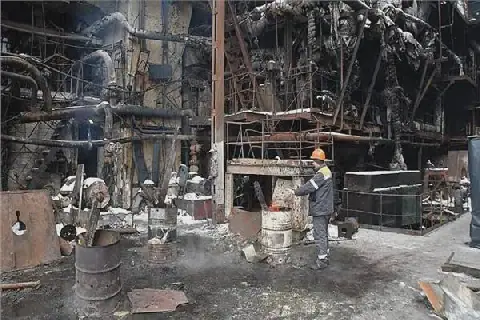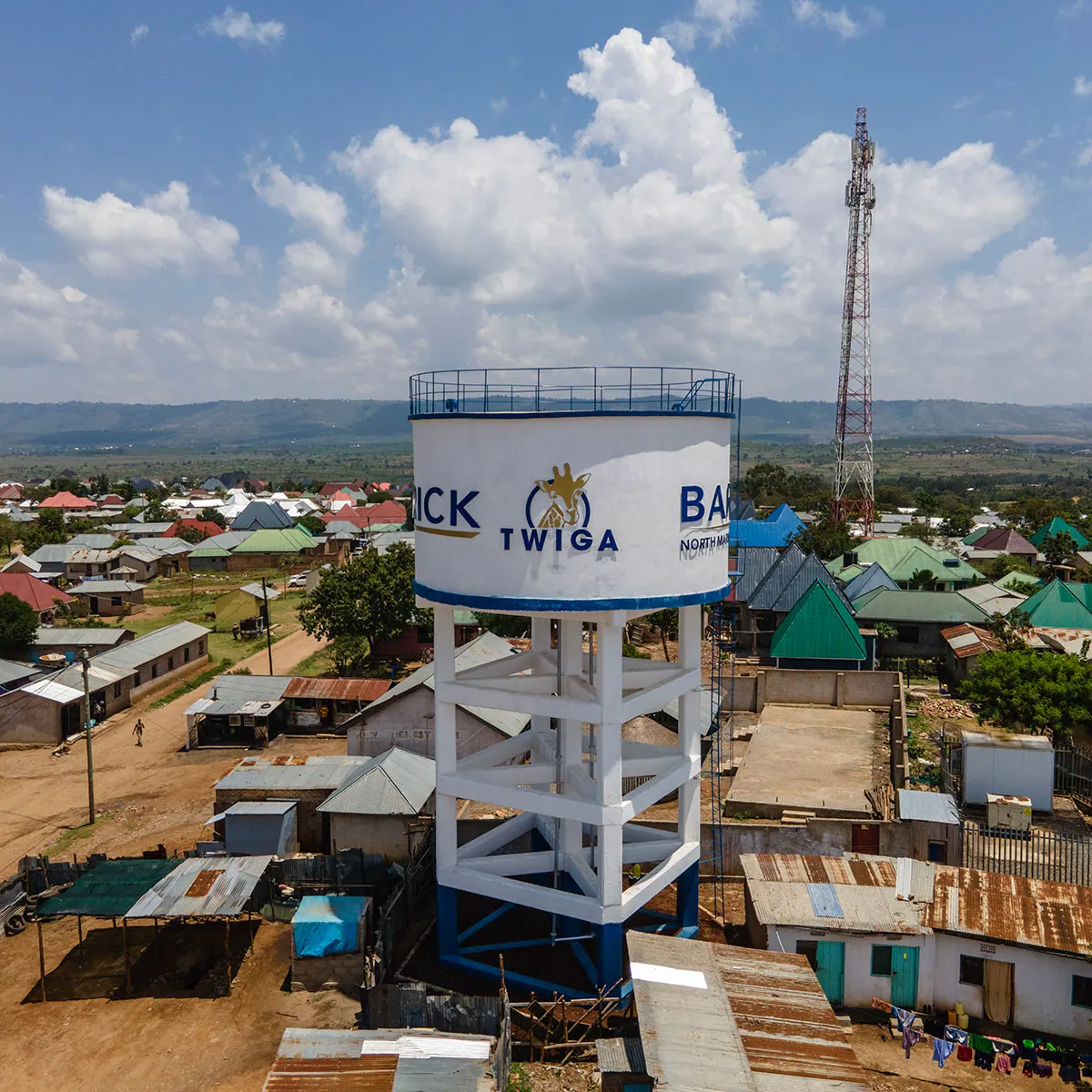
The London Bullion Market Association (LBMA), a UK-based gold market regulator, is facing a trial over its alleged role in perpetuating violence at the North Mara gold mine in Tanzania. The mine, owned by a Canadian company, has been linked to human rights abuses, including the deaths of two Tanzanian miners in 2019. The incident sparked a lengthy court battle between the families of the victims and the LBMA.
In 2019, a police shooting at the North Mara gold mine resulted in the deaths of two 23-year-old Tanzanian miners. The incident led to a protracted court battle between the families of the victims and the LBMA. The families' lawyers argue that the LBMA's decisions had a direct impact on the use of violence at the mine. The case is considered a groundbreaking challenge that could test the legal accountability of voluntary corporate and industry certification schemes across global supply chains.
The LBMA, which oversees the global London gold market, is accused of negligently or wrongfully certifying gold from the North Mara mine as "clean" and "responsible gold" despite documented human rights abuses and killings connected to the site. The certification program is under fire for allegedly propelling violence at the mine. The case has dragged on, with the families of the victims seeking justice and accountability from the LBMA.
The North Mara gold mine, owned by a Canadian company, has been linked to several human rights abuses, including violence and killings. The mine has been operational for several years, with the LBMA certifying its gold as "responsible" and "clean". However, the certification has been disputed, with allegations that the LBMA ignored or downplayed the human rights abuses connected to the mine.
The trial, which is ongoing, could have significant implications for the global gold industry and the use of voluntary certification schemes. The case could set a precedent for holding companies and industry regulators accountable for their role in perpetuating human rights abuses. The LBMA has faced criticism for its certification program, with some arguing that it is too lenient and fails to adequately address human rights concerns.
The families of the victims have expressed hope that the trial will bring justice and accountability to those responsible for the deaths of their loved ones. The case has also sparked concerns about the role of certification schemes in the global supply chain, with some calling for greater transparency and accountability. The trial is expected to continue in the coming months, with a verdict yet to be delivered.
The outcome of the trial could have far-reaching implications for the global gold industry, with some calling for greater regulation and oversight of certification schemes. The case has highlighted the need for greater transparency and accountability in the global supply chain, with many calling for reforms to prevent similar incidents in the future.
Key points
- The London Bullion Market Association faces trial over alleged negligence in certifying gold from Tanzania's North Mara mine.