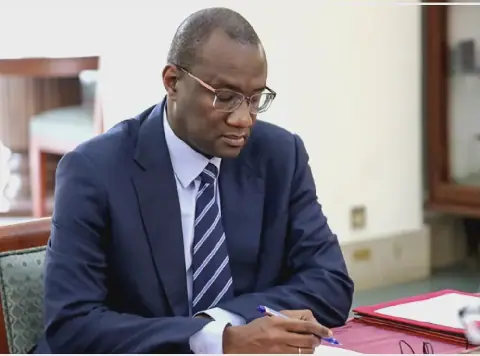
A recent trend in South African politics has drawn comparisons to the tactics employed by former US President Donald Trump. Local politicians have been accused of adopting a similar playbook, prioritizing catchy slogans and rhetoric over policy depth. This shift has sparked debate among citizens and pundits alike, with some arguing that it is a necessary adaptation to the changing media landscape, while others see it as a concerning erosion of democratic discourse. Gert van der Westhuizen, a prominent commentator, has been vocal about this trend.
Van der Westhuizen's comments have struck a chord with many, as he argues that local politicians are relying too heavily on superficial tactics to win support. He believes that this approach may yield short-term gains but ultimately undermines the democratic process. The MAGA movement, which Trump popularized, has been particularly influential in this regard, with its emphasis on bold rhetoric and loyal followings. As South African politicians continue to emulate this style, concerns about the long-term implications for the country's democracy have grown.
The phenomenon is not unique to South Africa, as many countries have grappled with the consequences of Trump-style politics. However, in the South African context, it is particularly noteworthy given the country's history of struggle and its ongoing efforts to consolidate democracy. The fact that local politicians are adopting this approach has raised questions about their priorities and their commitment to meaningful engagement with citizens. As the country navigates an increasingly complex socio-economic landscape, the need for nuanced and informed leadership has never been more pressing.
Critics of this trend argue that it is a symptom of a broader problem – the growing influence of social media and 24-hour news cycles on politics. In this environment, politicians are under pressure to be constantly visible and vocal, often at the expense of substance. The result is a focus on catchy soundbites and Twitter-friendly rhetoric, rather than detailed policy proposals and meaningful engagement with citizens. As this trend continues, it remains to be seen whether South African politicians will be able to adapt and prioritize depth over superficiality.
Despite these concerns, some argue that this trend also presents an opportunity for South African politicians to connect with citizens in new and innovative ways. By leveraging social media and other digital platforms, politicians can reach a wider audience and build support in ways that were previously impossible. However, this requires a delicate balance between engagement and substance, as citizens increasingly demand more from their leaders. As the South African government continues to navigate these challenges, it will be crucial to prioritize both style and substance.
The implications of this trend extend beyond the realm of politics, with potential consequences for the country's economy, education system, and social cohesion. As citizens become increasingly disillusioned with the political process, there is a growing risk of disengagement and disaffection. This, in turn, could have far-reaching consequences for the country's stability and prosperity. As such, it is essential that South African politicians take a step back and reassess their priorities, recognizing the need for a more nuanced and informed approach to leadership.
In conclusion, the trend of local politicians emulating Trump's playbook has sparked a necessary conversation about the state of South African politics. While there are valid concerns about the superficiality of this approach, there are also opportunities for innovation and engagement. As the country continues to navigate these challenges, it will be crucial to prioritize substance over style, recognizing that the long-term health of the democracy depends on it. By doing so, South African politicians can build trust, foster engagement, and create a more inclusive and prosperous future for all citizens.
Key points
- Local politicians in South Africa are emulating the tactics of former US President Donald Trump, prioritizing catchy slogans and rhetoric over policy depth.