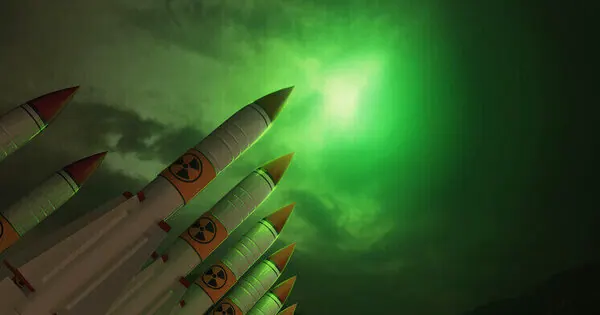
The Lithuanian parliament has taken a significant step towards lifting a ban on nuclear weapons, with 99 lawmakers voting in favor of a constitutional amendment. The proposed change would remove Article 137 of the Lithuanian constitution, which currently prohibits weapons of mass destruction and foreign military bases on the country's territory. Two more votes are required, scheduled for October 6 and January 12, 2027, with at least 94 of Lithuania's 141 MPs needing to support the amendment in each vote.
The move has been met with criticism from Russia, which has warned of significant security implications. Russian Foreign Ministry spokeswoman Maria Zakharova called the proposed change "absolutely irresponsible," accusing NATO members of pursuing provocative policies and treating Lithuania as a potential staging ground against Russia. Kremlin spokesman Dmitry Peskov also warned that Lithuania could become a target of Russian nuclear weapons if it allowed foreign nuclear arms to be deployed on its territory.
Supporters of the amendment argue that it would strengthen deterrence against Russia and reflect Lithuania's current security needs. President Gitanas Nauseda has backed removing the restriction, while Lithuanian officials have emphasized the importance of updating the country's security arrangements. However, opponents have raised concerns over sovereignty and called for the issue to be put to a referendum.
The debate comes amid broader discussions in Europe over nuclear deterrence. French President Emmanuel Macron unveiled changes to the country's nuclear doctrine in March, which included the possibility of temporarily deploying French nuclear weapons in other European countries. Finland has since joined the French initiative after lifting its own restrictions on hosting foreign nuclear weapons.
NATO already operates a nuclear-sharing arrangement under which US nuclear weapons are stationed in several member states, including Belgium, Germany, Italy, the Netherlands, and Türkiye. The Financial Times reported in June that Washington was considering expanding deployments to additional NATO countries in Europe. This has raised concerns about the potential for increased nuclear proliferation in the region.
The Lithuanian parliament's decision has also sparked concerns about the potential impact on the country's sovereignty. Some lawmakers have argued that allowing nuclear weapons on Lithuanian territory would compromise the country's independence and decision-making capacity. However, supporters of the amendment argue that it would actually increase Lithuania's security and stability.
The outcome of the vote is far from certain, with two more votes required before the amendment can be passed. However, the fact that 99 lawmakers have already voted in favor suggests that there is significant support for the change. The international community will be watching closely as Lithuania navigates this complex and contentious issue.
Key points
- Lithuanian parliament votes to lift ban on nuclear weapons
- Russia warns of security implications if Lithuania allows nuclear weapons
- Two more votes required before amendment can be passed