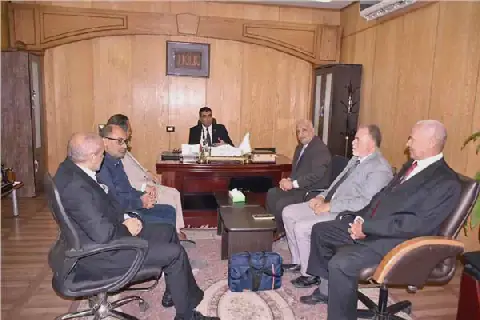
The United Nations Children's Fund (UNICEF) has proposed that Ghana's Livelihood Empowerment Against Poverty (LEAP) programme be linked with the Productive Inclusion Initiative (PII) to reduce extreme poverty. According to UNICEF, this linkage has the potential to decrease extreme poverty by 2.5 percentage points by 2030. This call was made at the launch of the Social Protection Act, 2025, and the Social Protection and Affirmative Action Regulations in Accra on October 7, 2026.
UNICEF welcomed the Social Protection Act's emphasis on coordination and complementarity, stating that stronger links between social protection programmes could help address the multiple challenges facing vulnerable families. The organisation illustrated the need for coordinated support with the example of a young mother whose household struggles with limited income and the cost of essential services. This example highlights how vulnerable households can face several interconnected challenges that cash assistance alone may not fully address.
The Social Protection Act provides for social assistance and social insurance, establishes institutional arrangements, and creates a social protection fund. The Act aims to improve the delivery of social protection programmes and ensure support reaches vulnerable people who need it most. Vice President Professor Naana Jane Opoku-Agyemang has urged stakeholders to address gaps that limit access to social protection programmes to ensure assistance reaches its intended beneficiaries.
The Ministry of Gender, Children and Social Protection is responsible for implementing the frameworks. Sector Minister Dr. Agnes Naa Momo Lartey assured that the ministry would prioritise effective implementation and monitoring to help alleviate poverty and improve livelihoods. She said the ministry would make the laws accessible through clear language and local-language translations, with outreach across regions and districts to help citizens understand their rights and responsibilities.
Dr. Lartey added that the ministry would strengthen data systems to support fair beneficiary targeting, improve governance of the social protection fund, and establish accessible complaint channels that citizens could trust. The frameworks are expected to improve the delivery of social protection programmes and help ensure support reaches vulnerable people who need it most. This move is part of the government's efforts to address poverty and improve the livelihoods of Ghanaians.
UNICEF's proposal to link LEAP with PII is part of a broader effort to address extreme poverty in Ghana. The LEAP programme has already made a significant impact, with over 226,000 households graduating from extreme poverty after LEAP reassessment, according to the Gender Minister. The programme's coverage has expanded to 450,000 households, with increased grant rates.
The government has procured over 2,000 transformers to improve electricity access, which currently stands at 89.13%. While progress has been made, the country still faces significant challenges in addressing poverty and improving livelihoods. The implementation of the Social Protection Act and the Productive Inclusion Initiative is expected to help address these challenges and improve the lives of vulnerable Ghanaians.
Key points
- UNICEF proposes linking LEAP with PII to reduce extreme poverty by 2.5 percentage points by 2030.
- The Social Protection Act aims to improve coordination and complementarity among social protection programmes.
- The Ministry of Gender, Children and Social Protection will implement the frameworks and prioritise effective implementation and monitoring.