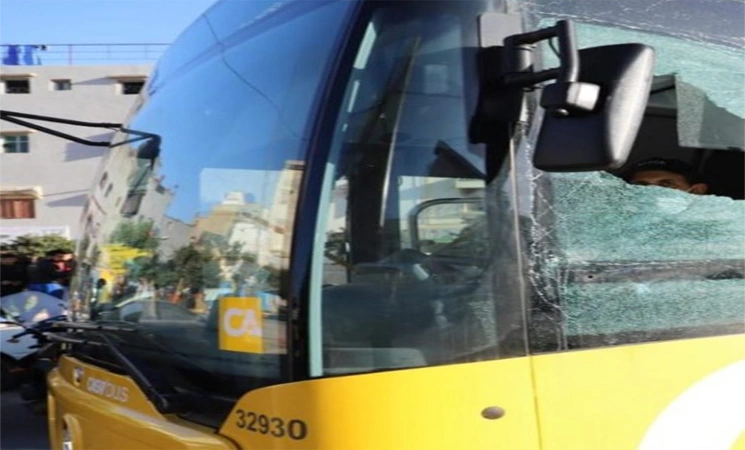
The World Bank has identified limited public transportation, particularly in rural areas, as a significant barrier to Moroccan women's participation in the workforce. According to the institution, irregular schedules, safety concerns, and harassment make it difficult for women to access workplaces. This challenge is further compounded by the high cost of transportation and the need to balance work and childcare responsibilities.
The World Bank emphasized that addressing these transportation challenges is crucial to increasing women's participation in the workforce. The institution suggested that measuring the actual impact of gender-sensitive budgeting could provide valuable insights. In Morocco, women's participation in the workforce remains low, with many facing significant obstacles in accessing employment opportunities.
The issue of transportation is particularly pressing in rural areas, where women often have limited access to public transportation. This forces many women to rely on informal or expensive transportation services, which can be a significant burden. As a result, many women are unable to access job opportunities, perpetuating the cycle of poverty and unemployment.
The World Bank's findings are consistent with previous research on the topic. Studies have shown that women's access to employment is closely tied to their access to transportation. In Morocco, the government has implemented initiatives aimed at improving public transportation, but more needs to be done to address the issue.
Improving public transportation in Morocco will require a multi-faceted approach. The government will need to invest in infrastructure, such as buses and trains, and work with private sector providers to increase the availability of transportation services. Additionally, the government may need to implement policies to make transportation more affordable and accessible to women.
The issue of women's access to employment is a pressing concern in Morocco. With a large youth population and limited job opportunities, the country needs to do more to support women's participation in the workforce. By addressing the transportation challenges faced by women, Morocco can take a significant step towards promoting economic growth and reducing poverty.
The Moroccan government has made efforts to promote women's participation in the workforce, including initiatives aimed at increasing access to education and job training. However, more needs to be done to address the systemic barriers that prevent women from accessing employment opportunities. By prioritizing transportation and other key issues, the government can help create a more inclusive and equitable labor market.
Key points
- The World Bank has identified limited public transportation as a major obstacle to Moroccan women's access to the job market.
- The high cost of transportation and the need to balance work and childcare responsibilities further compound the challenge.
- Improving public transportation will require a multi-faceted approach, including investment in infrastructure and policies to make transportation more affordable and accessible to women.