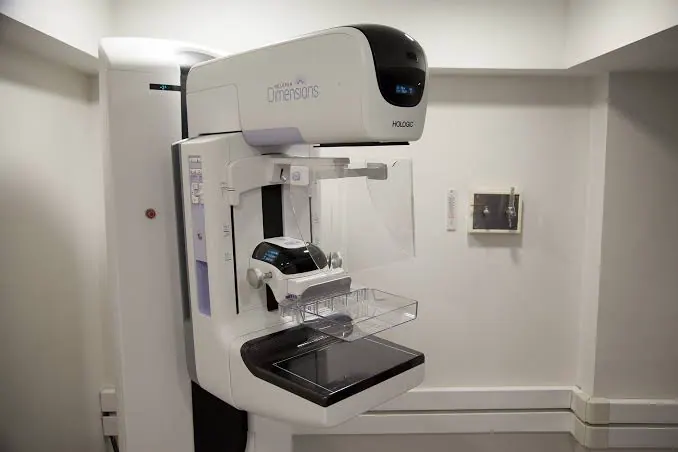
A radiologist, Dr. Victor Dedjoe, has highlighted the challenges of breast cancer screening in Ghana due to limited access to mammography machines. He noted that mammography machines are currently available in only five of Ghana's 16 regions, leaving women in several parts of the country without convenient access to breast cancer screening. This shortage often means health workers have to rely on physical examinations, which may not detect some breast cancers at an early stage.
Dr. Dedjoe, the Chief Executive Officer of Sayo's Medical Imaging and Diagnostics Limited, explained that early-stage breast cancer may not always be detectable through a physical examination, making access to appropriate imaging important for screening. Mammography is a form of X-ray of the breast with low doses, used in screening for breast cancer. He made these comments while presenting a mobile mammography van designed to take breast cancer screening services directly to underserved communities.
The mobile unit is equipped with a 3D mammography machine and an artificial intelligence system known as LUNIT to support the interpretation of mammography images. Dr. Dedjoe said the initiative was inspired partly by the number of breast cancer cases encountered at his facility, including patients who travel from northern Ghana for care. He believes taking mammography services to communities where fixed machines are not readily available could improve access to screening and help reduce delays in diagnosis and treatment.
The mobile approach will allow women in underserved areas to access screening without having to travel long distances to facilities equipped with mammography machines. Dr. Dedjoe is appealing to corporate Ghana and philanthropists to support the deployment of additional mobile mammography vans across the country. He said expanding the initiative would allow more women to benefit from breast cancer screening, particularly in communities where access to specialised diagnostic services remains limited.
Dr. Dedjoe expressed his wish to provide as many mobile mammography vans as possible to help in curing breast cancer. He said increasing access to mammography should form part of broader efforts to promote early detection and improve breast cancer outcomes in Ghana. The goal is to tackle breast cancer through early detection and improve treatment outcomes.
The limited access to mammography machines in Ghana has significant implications for breast cancer screening and treatment. The situation highlights the need for innovative solutions, such as mobile mammography vans, to reach underserved communities. By improving access to screening, Ghana can work towards reducing delays in diagnosis and treatment.
The government and other stakeholders have been urged to support initiatives aimed at increasing access to mammography machines and breast cancer screening services. Key efforts include equipping health facilities with mammography and radiotherapy machines, as well as promoting awareness and education on breast cancer prevention and screening.
Key points
- Only 5 out of 16 regions in Ghana have mammography machines.
- A mobile mammography van has been launched to provide breast cancer screening services to underserved communities.
- Dr. Victor Dedjoe is appealing for support to deploy additional mobile mammography vans across the country.