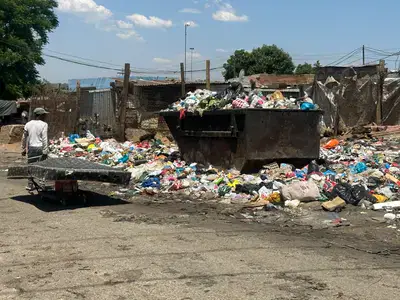
In Tembisa's Kanana Extension 5, residents are preparing for another local government election while living alongside overflowing waste, running sewage, and inadequate sanitation. The smell of sewage and waste hangs in the air, a familiar scene that has been ongoing for years. Children play nearby, and residents sit outside their homes, talking and going about their business, despite the challenging conditions. Some cook over open fires, with pots standing a few meters from streams of dirty water running through the neighborhood.
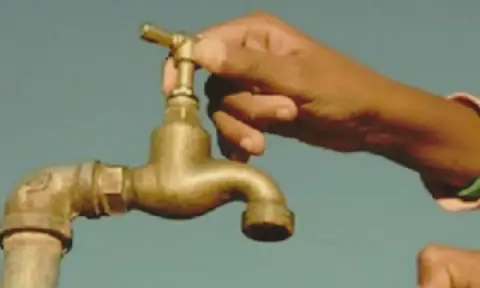
Tebogo Maesela, a resident of Kanana Extension 5, expresses frustration with the lack of basic services in the area. He notes that residents have been without water and proper sanitation for two months. Maesela questions why residents should vote for politicians who promise to address these issues but fail to deliver. He highlights the difficulties of living without electricity, having to walk to a neighboring section to charge his phone, and paying R5 for the privilege.
The consequences of inadequate sanitation and waste management extend beyond discomfort for residents like Maesela. He shares concerns about finding work and keeping his phone charged to remain available for job opportunities. Maesela's home is a few meters from where he and his friends were sitting, with a large tree growing next to a sewer pipe, thriving due to the fertilization it receives. Maesela remarks on the irony of the tree's health compared to the residents.
Residents like Mary Motsamai, who has lived in Tembisa for 28 years, face significant challenges. She describes what happens when it rains, with waste from a nearby corner flowing into her home. Motsamai expresses fear of the rain, anticipating the filth that might enter her home. She shares experiences of rats waking her up at night due to the unsanitary conditions. Despite these challenges, Motsamai plans to vote in the upcoming local government elections, hoping for improvement.
Vukosi Manyike, another resident of Kanana, is concerned about the health impacts of the environment on his family. His three-year-old daughter was hospitalized for a week after ingesting food with flies, which he suspects may have contributed to her illness. Manyike questions whether weekly waste collection is sufficient for a community of this size. He worries about the coming summer months, when temperatures rise and flies become more prevalent.
The situation in Kanana Extension 5 highlights the need for basic services and improved living conditions. Residents are not asking for much, but rather for toilets and a clean environment. Maesela emphasizes that they do not want big homes, but simply basic services. The community's requests seem modest, but the reality of living in such conditions is far from it.
As local government elections approach, residents like Motsamai and Maesela are holding onto hope for change. Despite the difficulties, Motsamai plans to cast her vote, hoping that things will get better. The situation in Kanana Extension 5 serves as a reminder of the importance of adequate sanitation, waste management, and basic services for communities.
Key points
- Residents of Kanana Extension 5 face ongoing struggles with inadequate sanitation, sewage, and waste management.
- The community is requesting basic services, including toilets and a clean environment.
- Despite frustrations, residents plan to vote in the upcoming local government elections, hoping for improvement.