Palestinians in the Gaza Strip are facing severe humanitarian conditions, with a significant deterioration in basic services, widespread disease, and a shortage of water, food, and healthcare. The crisis has been exacerbated by ongoing instability, despite a ceasefire being in place for over a year. Many residents have been forced to flee their homes and live in makeshift shelters, struggling to access essential services.
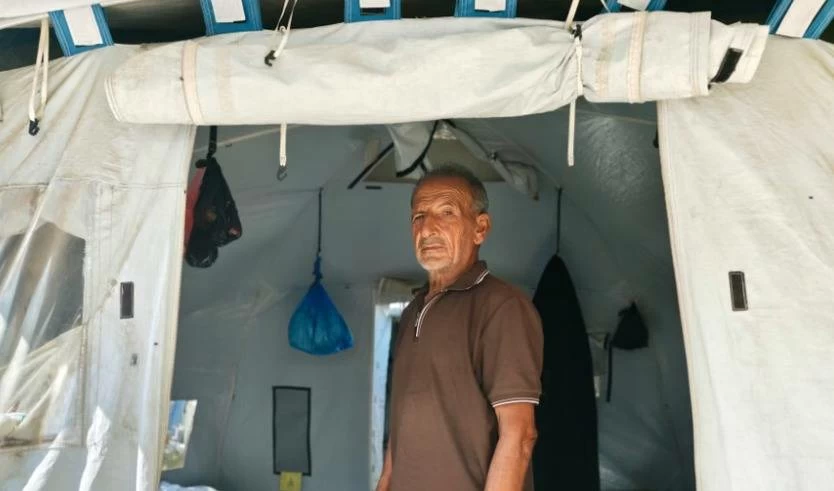
Ahmed Ashtiwi, a 43-year-old father of two, is one such individual who has been forced to leave his home in Beit Lahia, in northern Gaza. He now lives in a tent near Deir al-Balah, in central Gaza, with his daughters. Ashtiwi's home was severely damaged and is no longer habitable, and he is struggling to come to terms with his new reality. He clings to a few cherished possessions, including six old plastic chairs that remind him of his life before the war.
For 15-year-old Lian al-Jubour, life in Gaza has been turned upside down. She now lives with her family in a temporary shelter in the Mawasi area, where she tries to recreate a sense of normalcy by organizing her belongings. Al-Jubour's only possession from her old life is her school bag, which she treasures as it reminds her of her friends and school days.
The humanitarian crisis in Gaza is having a devastating impact on residents, with widespread shortages of food, water, and healthcare. The situation is further complicated by high levels of unemployment and a collapse in the economy. According to Ramzi al-Akbrov, the UN's humanitarian coordinator for the occupied Palestinian territories, the health situation in Gaza remains critical, with infectious diseases spreading rapidly, particularly in overcrowded areas with poor sanitation and water services.
The Israeli authorities have denied allegations of a shortage of supplies, claiming that sufficient quantities are entering Gaza. However, the UN and other aid agencies have expressed concerns about the lack of funding, which has exacerbated the crisis. The shortage of medical supplies, fuel, and other essential goods has had a devastating impact on the population.
For 70-year-old Saleh Kilani, life in Gaza has become unbearable. He has lost his farm and olive trees, which were a vital source of income before the war. Kilani is now forced to live in a tent, struggling to access basic services and fearing for his safety. He expressed his despair, saying, "If I go to my home, I may die, and if I go to my farm, I may die too. This is not life."
Despite the dire circumstances, some residents are trying to rebuild their lives. Israa Abu Tayba, a 26-year-old beautician, is one such individual who is trying to maintain a sense of normalcy. She continues to work, cutting hair and applying makeup for girls in the tent, providing a brief respite from the hardships of life in Gaza. However, the overall situation remains precarious, with many residents expressing concerns about the future and the lack of progress towards a lasting peace.
Key points
- Palestinians in Gaza face dire humanitarian conditions, with widespread shortages of food, water, and healthcare.
- The crisis has been exacerbated by ongoing instability, despite a ceasefire being in place for over a year.
- Residents are struggling to access basic services and rebuild their lives, with many expressing concerns about the future.