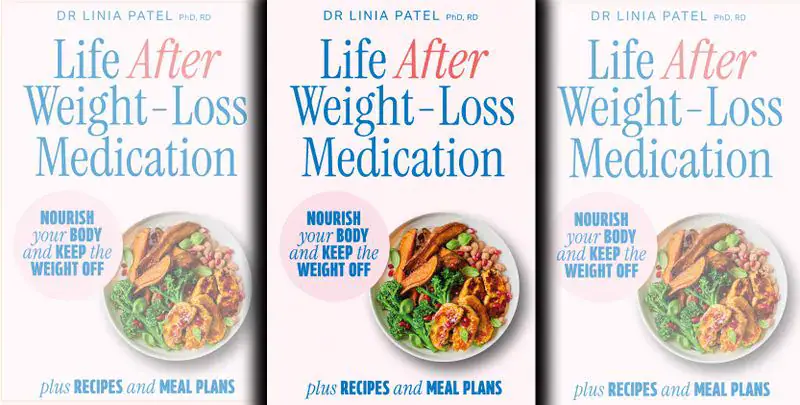
Dr. Linia Patel, a registered dietitian and public health researcher, has written a book titled "Life After Weight-Loss Medication" that examines the consequences of stopping weight-loss medications. According to Patel, these medications, such as Ozempic and Mounjaro, have transformed weight loss, but their effects are not sustainable without a long-term plan. Patel's book highlights the uncomfortable realities of weight regain, muscle loss, and the importance of looking beyond the scale.
Research from the landmark Semaglutide Treatment Effect in People with Obesity (STEP) 1 trial revealed that participants taking semaglutide lost an average of 17.3% of their body weight over 68 weeks. However, within a year of stopping the medication, they had regained about two-thirds of the weight they had lost. Furthermore, the trial found that a significant portion of the weight lost came from lean mass, with an estimated 39% of the weight loss coming from muscle and organ tissue.
Patel emphasizes that the loss of muscle mass has severe consequences, including reduced mobility, a slower metabolism, and a greater chance of regaining weight. This can lead to sarcopenia, a condition marked by the progressive loss of strength, function, and independence. Patel stresses that older adults are particularly vulnerable to these effects, as they start with less muscle mass and have a harder time rebuilding it.
Patel argues that the benefits of weight-loss medications are undeniable, but they must be used responsibly and with adequate medical, nutritional, and psychological support. She notes that many users stop taking the medication within six months to a year due to cost or lack of support, which can lead to a sharp and fast regain of weight. Patel's approach focuses on four pillars: Nourish, Energise, Align, and Integrate, which aim to support satiety, gut health, muscle maintenance, and overall wellbeing.
Patel's book provides practical advice on how to maintain weight loss and muscle mass, including prioritizing protein, strength training, and managing stress. She also emphasizes the importance of rebuilding an internal sense of appetite and trust in hunger signals. Patel's approach encourages readers to look beyond the scale and focus on a bio-psycho-social framework that incorporates nutrition, movement, sleep, and psychological wellbeing.
The book also explores the psychological dimensions of weight management, including emotional eating, cravings, and rebuilding trust in hunger signals. Patel provides questions to consider, practical exercises, and recipes to support a sustainable and individualized plan. Her approach aims to help readers develop a healthier relationship with food and their bodies.
Ultimately, Patel's book aims to empower readers to take control of their weight management and overall health. By understanding the consequences of stopping weight-loss medications and adopting a holistic approach, readers can maintain their weight loss and improve their overall wellbeing. Patel's work highlights the importance of a comprehensive approach to weight management that goes beyond medication alone.
Key points
- Weight-loss medications can lead to significant weight loss, but their effects are not sustainable without a long-term plan.
- Muscle loss is a significant concern when stopping weight-loss medications, leading to reduced mobility, a slower metabolism, and a greater chance of regaining weight.
- A holistic approach to weight management that incorporates nutrition, movement, sleep, and psychological wellbeing is essential for maintaining weight loss and overall health.