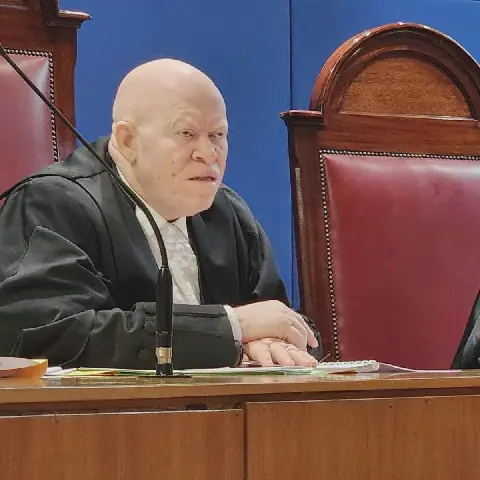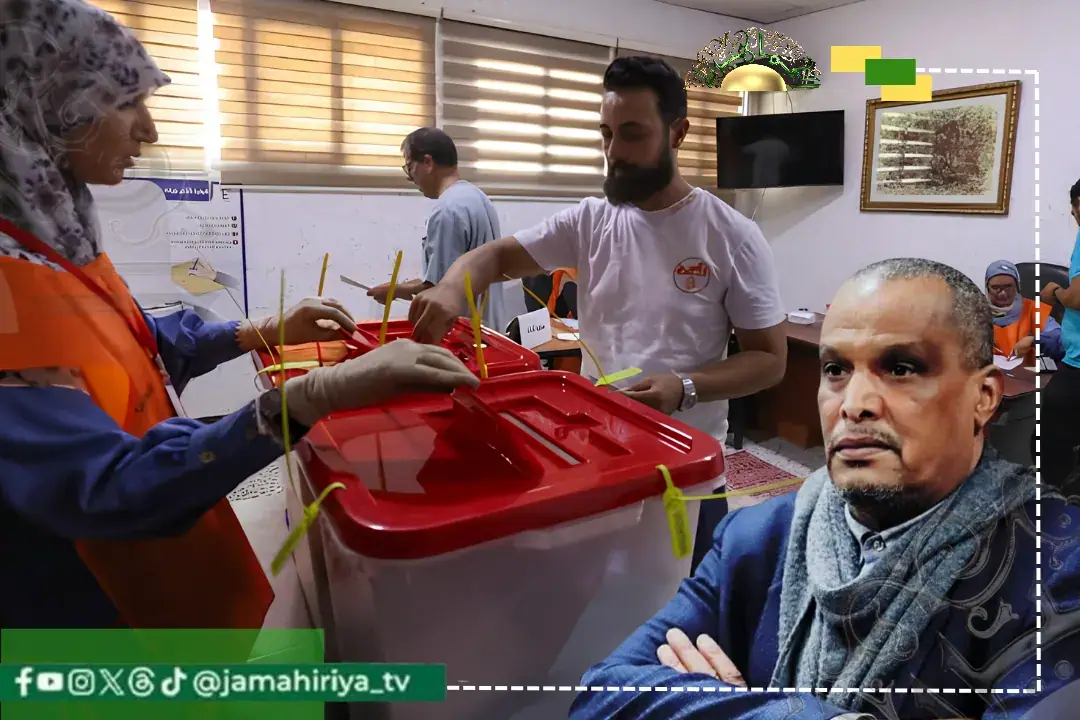
Libyan writer Ramadan Karnfoda has questioned the number of dialogue tables needed for Libyans to reach the voting booths, given the persistence of political crises since 2011 and the repeated agreements and initiatives that have not led to a final solution. In an article published in Al-Wast, Karnfoda noted that Libya has witnessed a long series of dialogues and meetings in various locations, but they have failed to end the political division and unify state institutions.
Karnfoda argued that the dialogue table has become a substitute for the solution itself, with each round of talks ending with a return to the starting point and the introduction of a new initiative and international envoy. He identified four main reasons for the failure of Libyan dialogues: the lack of popular participation, limited representation of citizens in various cities and regions; the focus on sharing positions, with negotiations turning into a struggle for leadership of the government and other key institutions; and external interventions, with Libyan understandings tied to the interests of regional and international powers.
According to Karnfoda, the approach of election deadlines often leads to the emergence of new initiatives and dialogues that result in delays, prolonging the transitional phases. He noted that the Libyan citizen bears the cost of the crisis, including the decline of the dinar, shortages of services and medicines, and the spread of weapons. Karnfoda emphasized that Libyans no longer care about the names of participants in dialogues or political initiatives, but rather demand the unification of the state, government, army, and institutions, and the conduct of elections to end the division.
Karnfoda stated that Libya does not need a new dialogue table, additional committee, or another road map, but rather a purely Libyan consensus that sets a final deadline for elections without delay or bargaining. He stressed that the goal of any future political meeting should be to transfer power to the people through voting booths, rather than redistributing positions among political forces. This approach would help to address the country's ongoing crisis and provide a way forward.
The Libyan crisis has persisted since the 2011 uprising, with various attempts at dialogue and negotiation failing to produce a lasting solution. The country's instability has had significant economic and humanitarian impacts, with many Libyans struggling to access basic services and facing economic hardship. Karnfoda's comments reflect a growing frustration among Libyans with the ongoing stalemate and the need for a more effective solution.
Karnfoda's article on Aljamahiriya TV highlights the need for a Libyan-led solution to the country's crisis, one that prioritizes the interests of Libyan citizens and addresses the root causes of the conflict. His call for elections as a way out of the crisis reflects a widely held view among Libyans that the country's problems can only be resolved through a democratic process.
As the situation in Libya continues to evolve, Karnfoda's comments serve as a reminder of the need for a sustainable solution to the country's crisis, one that addresses the concerns and aspirations of Libyan citizens. With the international community continuing to play a role in efforts to resolve the crisis, Karnfoda's emphasis on a Libyan-led solution serves as a timely reminder of the importance of national ownership and leadership in resolving the country's challenges.
Key points
- Libyans are seeking elections as a solution to the country's ongoing political crisis.
Reporting sources
- كرنفودة: الليبيون سئموا طاولات الحوار.. والانتخابات هي المخرج من الأزمة · Aljamahiriya TV