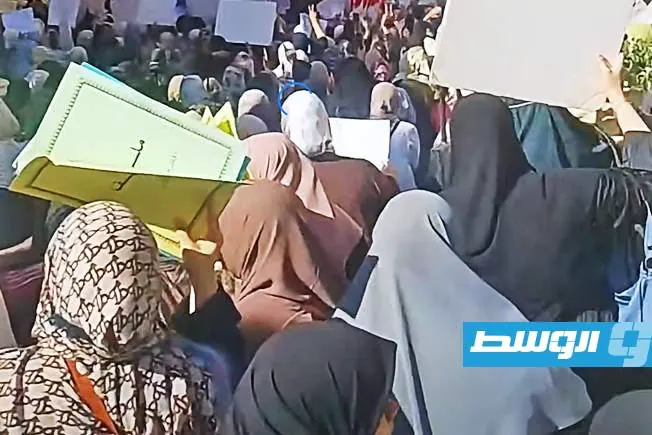
The Libyan Teachers' Union in Tripoli has reaffirmed its decision to continue its strike and sit-in protest. The union is demanding adjustments to the unified salary scale to ensure fairness and justice in wages for teachers. According to a statement released on Thursday, October 8, 2026, the union remains committed to its demands and is working towards achieving equitable solutions. The strike has been ongoing, with teachers seeking changes to their current compensation package.
The union's decision to continue the strike comes despite an announcement by Prime Minister Abdulhamid Dabaiba on Tuesday, October 6, 2026, that the academic year would resume on Wednesday, October 7, 2026. Dabaiba made this announcement after a meeting with the General Teachers' Union of Libya, emphasizing the importance of students' right to education and the need for regular classes. However, the Teachers' Union in Tripoli has insisted that the strike will continue until their demands are met.
On Wednesday, October 7, 2026, the day after Dabaiba's announcement, the Teachers' Union reported that it had submitted the financial allocations for teachers' allowances and school administrators' benefits to the Ministry of Finance. This move is part of the union's efforts to secure improved working conditions and compensation for its members. The union's actions have been driven by concerns over fairness and equity in the current salary structure.
Prime Minister Dabaiba has expressed his commitment to achieving justice in salaries and improving the working conditions of state employees. During his meeting with the teachers' union, he emphasized the importance of protecting social rights and promoting social justice. The Libyan government has proposed a 10% increase in the unified salary scale for all sectors, but the union has yet to agree to this offer.
The ongoing strike by the Teachers' Union in Tripoli has caused disruptions to the academic calendar, with schools in the city and surrounding areas affected. The union's demands have been echoed by other groups, including lawmakers who have called for a review of the current salary structure. The situation remains a challenge for the Libyan government, which is seeking to stabilize the country's education sector.
The strike has also drawn attention to the broader issues facing Libya's education system. The country has faced significant challenges in recent years, including conflict, instability, and economic difficulties. The Teachers' Union's demands for improved working conditions and fair compensation reflect the concerns of many Libyans who are seeking better living standards and economic opportunities.
As the situation continues to unfold, the Libyan government and the Teachers' Union will need to engage in further discussions to find a resolution. The union has made it clear that it will continue to press for its demands, while the government must balance the need for fiscal responsibility with the need to address the concerns of its citizens. The outcome of these negotiations will have implications for the future of education in Libya and the well-being of the country's teachers and students.
Key points
- The Libyan Teachers' Union continues its strike to demand changes to the unified salary scale.
- The strike has disrupted the academic calendar, affecting schools in Tripoli and surrounding areas.
- The Libyan government has proposed a 10% increase in the unified salary scale for all sectors.