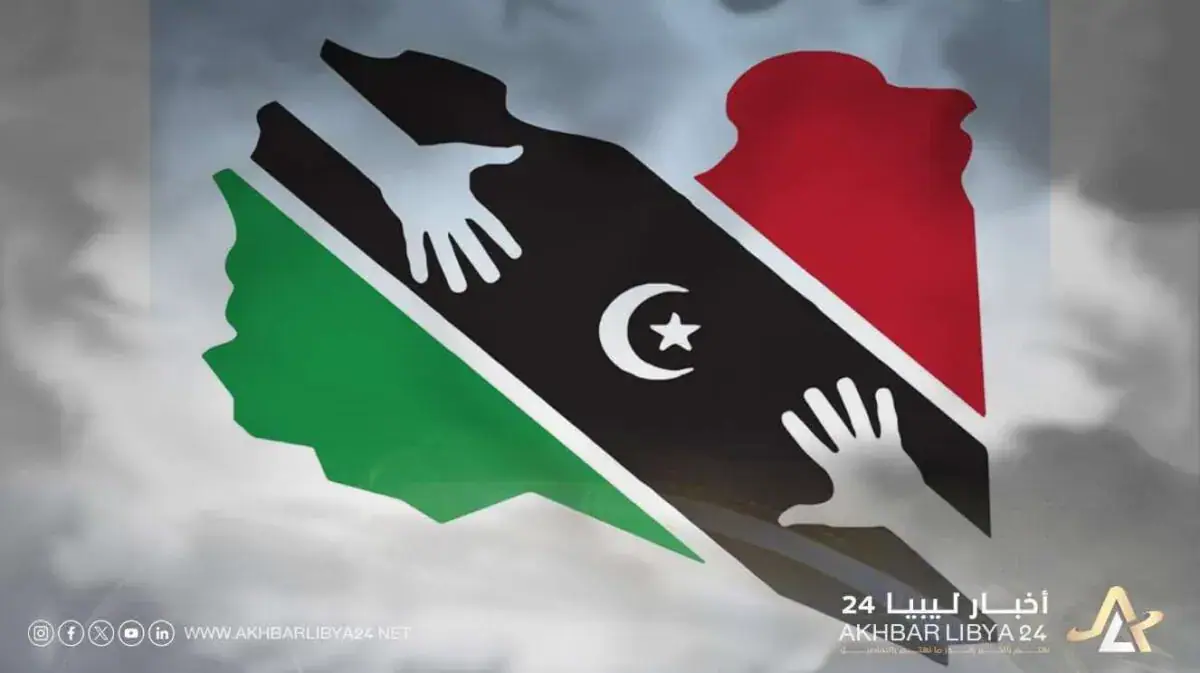
Libyan MP Essam Al-Jehani stated that the failure to convene a parliamentary session in Zuwentain reveals parties seeking to protect their personal interests and undermine efforts to end the country's division. Al-Jehani noted that the obstruction of the session reflects broader challenges facing attempts to revive national institutions. The incident involved armed groups preventing a plane carrying parliament members from landing in Zuwentain.
Al-Jehani emphasized that the incident highlights the influence of armed groups in Libya's political landscape and their ability to impact the functioning of state institutions. This development raises concerns about the feasibility of achieving stability and undermines efforts to overcome divisions between political parties. The MP stressed that national institutions cannot operate effectively under such conditions.
The Libyan Parliament, under its new leadership, has sought to hold sessions in various parts of the country to demonstrate its ability to operate beyond geographical and political divisions. This approach aims to enhance communication between cities and Libyan constituencies, promoting a unified national approach. However, the failure to convene in Zuwentain raises questions about parties opposed to this initiative.
Al-Jehani accused the government of Abdulhamid Dbeiba of bearing political responsibility for the incident, citing its control over areas where the obstruction occurred. This accusation underscores concerns about the government's ability to protect constitutional institutions and ensure their effective operation. The ongoing political crisis in Libya exacerbates these challenges, with multiple centers of power and influence.
The MP called on the international community to impose sanctions on parties obstructing the political and institutional process in Libya. He argued that such measures are necessary to prevent further prolongation of the crisis and support efforts to rebuild state institutions. This appeal comes amid multiple international initiatives aimed at resolving the Libyan crisis.
Al-Jehani also noted that the Parliament is awaiting the outcomes of initiatives such as the "4+4" mechanism and the American initiative, which could help address the crisis and facilitate a national dialogue. The success of these initiatives depends on the ability of parties to make concessions and commit to legal and political frameworks.
The Libyan Parliament has decided to postpone its session to Wednesday, with the same agenda, including approval of a unified salary scale. This issue is critical for many Libyans, given disparities and irregularities in current salary and benefit structures. The delay reflects ongoing challenges in addressing basic needs and stabilizing state institutions.
Key points
- Libyan MP Essam Al-Jehani accused parties of seeking to undermine the parliamentary session in Zuwentain for personal interests.
- The incident highlights the influence of armed groups in Libya's political landscape.
- Al-Jehani called for sanctions against parties obstructing the political process in Libya.