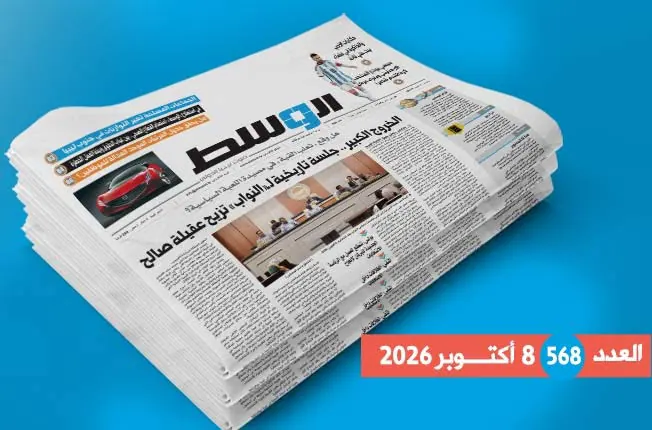
In a significant development in Libyan politics, Aguila Saleh has been ousted from his position as head of the parliament. This move comes after a wide-ranging parliamentary mobilization that culminated in success, gaining support from Field Marshal Khalifa Haftar and his deputy, Sadam. Saleh had been in the position for 12 years, and his removal marks a substantial shift in the country's political landscape.
The developments have led to concerns about a potential division within the parliament. A group of lawmakers opposing the recent changes has announced plans to convene a session in Tripoli next week. This move could potentially lead to a rift within the legislative body, adding to the complexities of Libya's political situation. The situation remains fluid as various factions navigate the changing political terrain.
Meanwhile, armed groups in southern Libya are reportedly altering the region's balance of power amid escalating tensions between Chad and Niger. This development has raised concerns about the security situation in the area and its potential impact on the broader region. The situation in southern Libya remains a critical issue that requires careful attention from both national and international stakeholders.
In a separate development, the healthcare sector in Libya is experiencing significant challenges. A report highlights the country's struggle with cancer, and a personal story of Suleima Zitoun, who has battled cancer, serves as a testament to the resilience of individuals facing health challenges. The healthcare sector's issues are further complicated by the ongoing mobilization of medical professionals, who are advocating for better working conditions and rights.
The medical professionals' movement, led by Suleiman Al-Somadi, is pushing for improvements in the healthcare sector. Their demands include better salaries, improved working conditions, and a safer environment for medical practitioners. The situation underscores the need for comprehensive reforms to address the systemic issues plaguing Libya's healthcare system.
On the international front, there are reports of significant investments from Gulf countries in Libya's oil sector. This development comes as the global energy market continues to navigate the aftermath of recent disruptions. The investments aim to bolster Libya's oil production and capitalize on the country's rich energy reserves.
The Libyan national team has made notable progress in the Olympic qualifiers, advancing to the next stage after defeating Togo. This achievement marks a significant milestone for Libyan sports, demonstrating the country's potential in the athletic arena. As the team moves forward, it will face stiffer competition, including a potential matchup against Ghana.