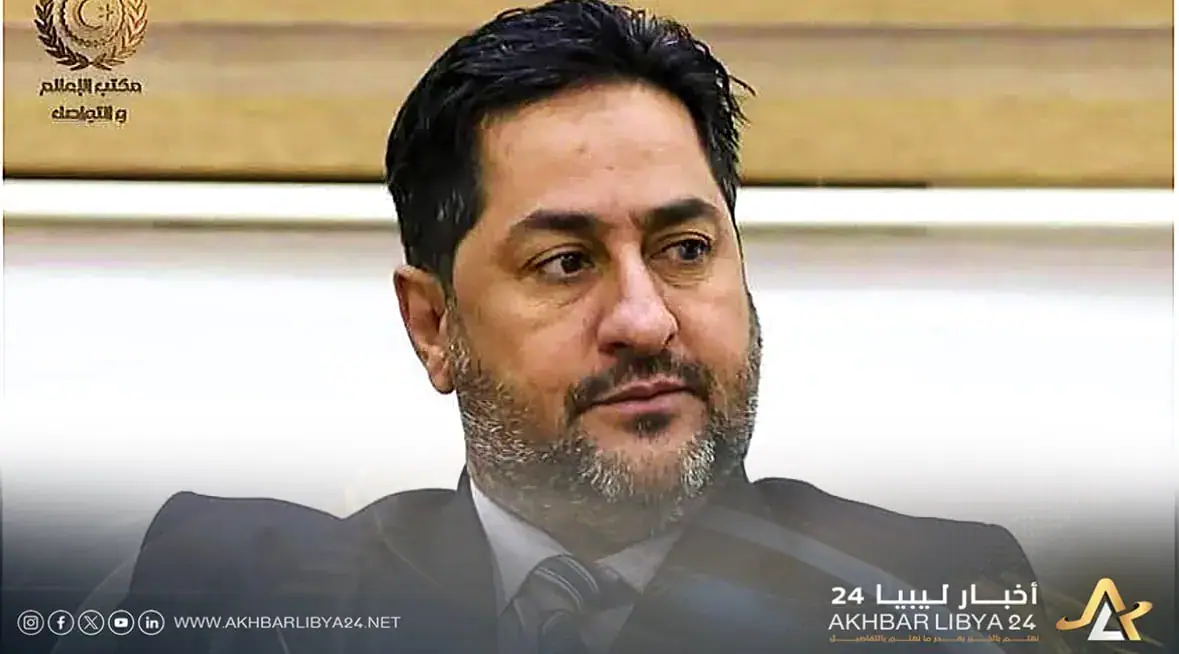
Libyan parliament member Saeed Amghib has raised concerns over the prevention of some lawmakers from accessing the city of Zentan, citing the incident as evidence of the growing influence of armed groups on state institutions. Amghib noted that the tensions and security measures that prevented the parliamentary session from taking place highlight the challenges faced by Libya's institutions. He emphasized that such incidents pose a significant threat to the country's stability and the rule of law.
Amghib stressed that building a state based on the rule of law and institutions is impossible when armed groups' will is prioritized over that of legitimate institutions. He called for respect for Libya's constitutional institutions and ensuring their ability to perform their duties freely and safely. According to Amghib, protecting these institutions is essential for achieving stability and establishing a functioning state.
A military force was deployed inside Zentan airport, preventing a plane carrying lawmakers from landing. The force demanded that the lawmakers remain in Benghazi and not travel to Zentan, effectively blocking the parliamentary session. Footage circulated on social media showed the military presence on the airport's runway, highlighting the measures taken to prevent the lawmakers' arrival.
The military force's affiliation has not been officially disclosed. However, a source from the Western Region of the House of Representatives stated that the force claimed to be acting on instructions from the Presidential Council, led by Mohamed al-Menfi. This development has brought attention to the security challenges facing Libya's political institutions and the impact of armed interventions on official meetings.
The incident in Zentan is not an isolated case, as Libya's institutions have long faced challenges from armed groups. The country has struggled to establish a stable and secure environment, with various factions vying for influence. Amghib's comments underscore the need for Libya's institutions to be protected and empowered to perform their duties without interference or coercion.
The prevention of lawmakers from accessing Zentan has sparked concerns about the ability of Libya's institutions to function effectively. The incident has also raised questions about the extent of armed groups' control over the country's institutions and the impact on the rule of law. Amghib's warnings highlight the need for a concerted effort to address these challenges and ensure the stability of Libya's institutions.
The situation in Libya remains complex, with various factions and armed groups vying for influence. The international community has called for a peaceful resolution to the country's challenges and the establishment of a stable government. As Libya continues to navigate its transition, incidents like the one in Zentan serve as a reminder of the need for a concerted effort to protect the country's institutions and promote stability.
Key points
- Armed groups' influence on state institutions poses a significant threat to Libya's stability and the rule of law.
- Protecting Libya's constitutional institutions is essential for achieving stability and establishing a functioning state.
- The incident in Zentan highlights the need for a concerted effort to address the challenges facing Libya's institutions and promote stability.