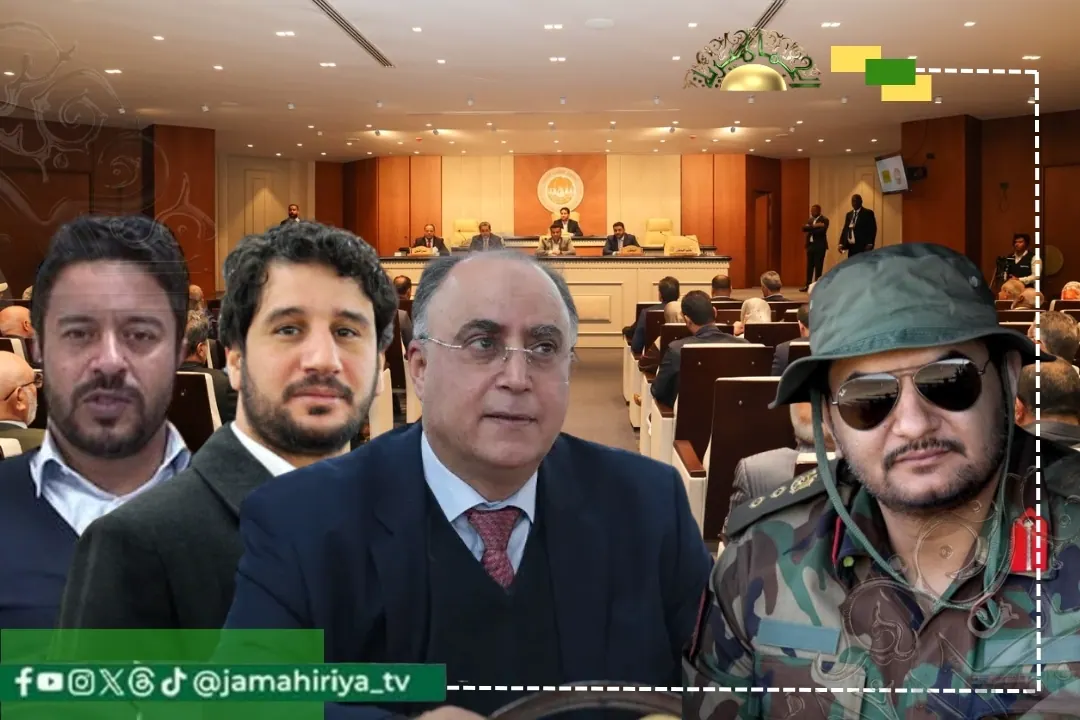
A Libyan Member of Parliament has come forward with allegations that Saddam, the son of Khalifa Haftar, is exerting behind-the-scenes influence over the leadership of the country's parliament. According to the MP, who wished to remain anonymous, instructions were given to parliamentarians regarding the formation of the new leadership. The MP revealed that a proposed leadership structure, including Saleh Abd al-Nabi as speaker, Tariq al-Ashtar as first deputy, and Misbah Duma as second deputy, was presented to lawmakers.
The allegations have sparked discontent among some parliamentarians, who argue that the selection process should follow parliamentary procedures. Several lawmakers expressed frustration with the pre-emptive presentation of the leadership lineup, feeling that it undermines the democratic process. In response, a group of MPs left their temporary residence at the Al-Suluj hotel in Benghazi, with some returning to their home regions.
The controversy comes on the heels of a vote by 98 lawmakers to amend the parliament's internal regulations, effectively removing long-standing Speaker Aqila Saleh from his position. Saleh had been in office for 12 years. The changes were made during a session attended by 102 members, with Deputy Speaker Misbah Duma presiding.
However, Saleh has rejected the move, deeming it unconstitutional and illegal. His stance has raised concerns about a potential split within the parliament. The situation remains uncertain, with the future of Libya's legislative body hanging in the balance.
The developments have significant implications for Libya's fragile political landscape. The country has struggled to establish a stable government since the ousting of Muammar Gaddafi in 2011. The influence of external actors, including Khalifa Haftar, has been a contentious issue, with many Libyans wary of interference from powerful individuals or foreign powers.
The MP's allegations have sparked a heated debate about the role of external influences in Libya's politics. Some have called for greater transparency and accountability within the parliament, while others have expressed concerns about the potential for further instability.
As the situation continues to unfold, it remains to be seen how the parliament will resolve its leadership crisis. The international community is watching closely, with many hoping that Libya can establish a stable and functional government.
Key points
- - A Libyan MP alleges that Saddam Haftar is influencing parliament leadership choices. - The parliament has voted to amend its internal regulations, removing long-standing Speaker Aqila Saleh. - The situation has raised concerns about a potential split within the parliament and the influence of external actors in Libya's politics.