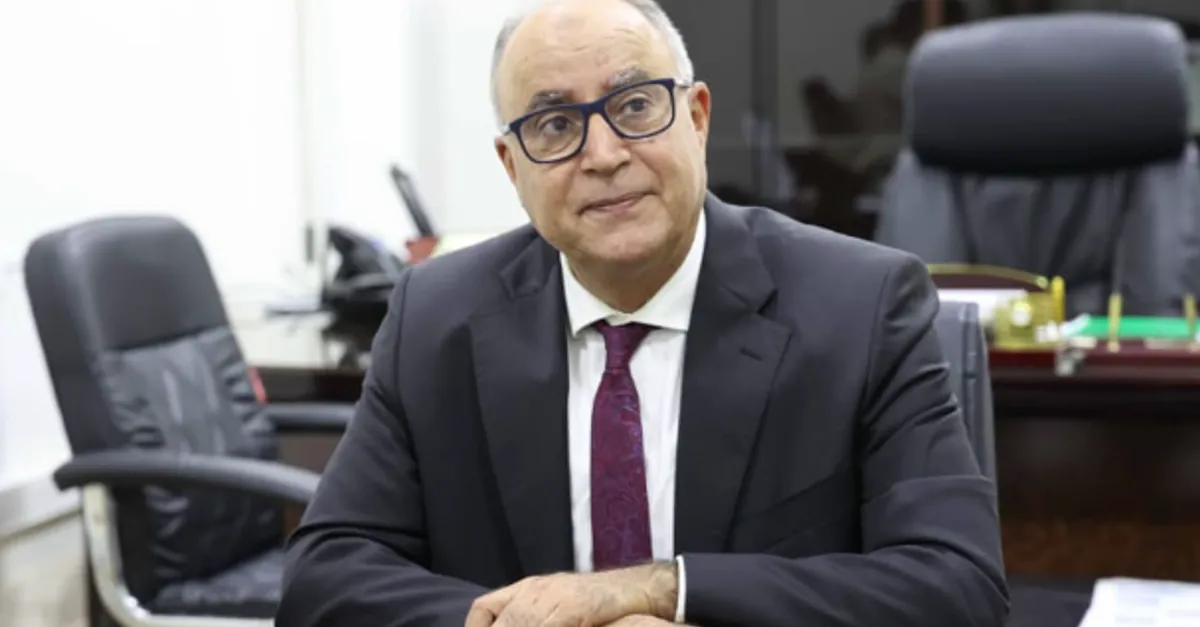
The Libyan Parliament has elected Salih Abdulnabi Al-Obaidi as its new speaker, succeeding Counselor Aqila Saleh. Al-Obaidi, a seasoned politician and engineer, has been a member of parliament for years and has chaired several committees. His election marks a new chapter in his political career, which has spanned multiple fields, including engineering, management, and academia. Al-Obaidi's background in civil engineering and his 27 years of experience in management and engineering make him a unique figure in Libyan politics.
Al-Obaidi was born in the city of Tobruk and holds a master's degree in civil engineering. Before entering politics, he worked as a member of the teaching staff at the Higher Institute for Comprehensive Professions in Benghazi. His transition into politics began with his election as a member of parliament representing the Tobruk district. Al-Obaidi's professional experience and academic background have equipped him with a distinct perspective in his approach to politics and governance.
During his parliamentary career, Al-Obaidi has participated in the work of several committees, including the Committee on Foreign Affairs and International Cooperation, the Housing and Utilities Committee, and the Parliamentary Friendship Committee with Turkey. His involvement in these committees reflects his diverse interests and commitment to addressing various aspects of Libyan society, from foreign relations to infrastructure development.
Al-Obaidi's election as speaker of the Libyan Parliament follows a long and varied career in politics, engineering, and academia. Having progressed from a member of parliament to chairing several committees, he now assumes the highest position in the legislative body. His appointment is seen as a significant development in Libyan politics, with implications for the country's governance and legislative agenda.
As the new speaker of the Libyan Parliament, Al-Obaidi faces numerous challenges, including navigating the complexities of Libyan politics and contributing to the country's ongoing efforts to stabilize and rebuild. His experience in multiple fields positions him to address these challenges from a unique perspective. Al-Obaidi's leadership will be crucial in shaping the parliament's agenda and fostering cooperation among its members.
The Libyan Parliament has been working to address various issues affecting the country, including security, economic development, and infrastructure. Al-Obaidi's role as speaker will involve coordinating the parliament's efforts to tackle these challenges and ensure effective governance. His background in engineering and management may bring a new approach to addressing some of the country's most pressing issues.
Al-Obaidi's election as speaker of the Libyan Parliament marks a significant milestone in his career and presents an opportunity for him to make a lasting impact on the country's governance and development. As he assumes his new role, he will be expected to work closely with other Libyan leaders and international partners to promote stability and progress in the region.
Key points
- Salih Abdulnabi Al-Obaidi, a seasoned politician and engineer, has been elected as the new speaker of the Libyan Parliament.