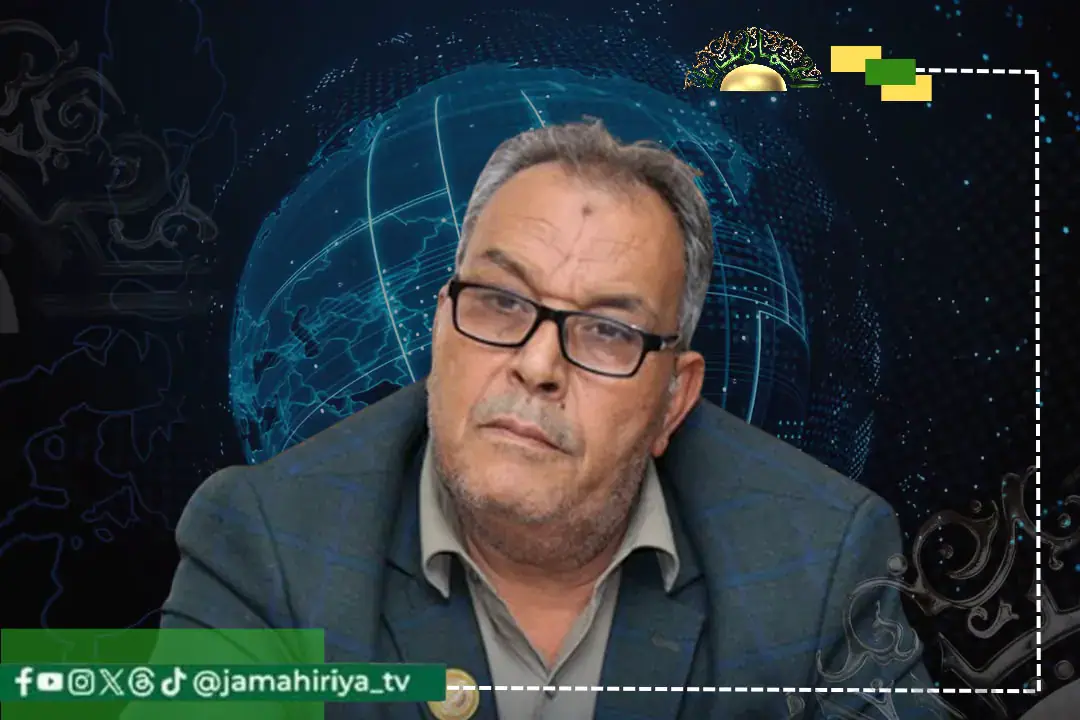
Libyan lawmaker Ali Al-Soul has stated that a unified budget for 2027 cannot be approved without a unified government in place. In an interview with the Al-Shark Al-Awsat newspaper, Al-Soul emphasized that the formation of a unified executive authority should precede the adoption of the general budget. He noted that the original process involves the government presenting a budget project to the House of Representatives for discussion and approval.
Al-Soul's comments come amid a political and economic dispute over the House of Representatives' announcement of starting preparations for a unified budget for 2027. The Financial Committee plans to submit the budget to the plenary session in December. However, concerns have been raised about the ability of rival parties to commit to any new financial agreement, given the continued division of power and disagreements over resource management and spending channels.
Libya currently lacks a unified government, with the 4+4 committee continuing its consultations on implementing the agreement announced in August. This agreement aims to establish a unified executive authority, comprising a presidential council and a new government, in preparation for elections within two years. Al-Soul warned that approving a unified budget without a single government responsible for its implementation could lead to financial allocations being spent through two governments.
This situation could perpetuate division and revive the phenomenon of parallel spending, which has negatively impacted the country's economic situation. In April, representatives of the rival parties reached an agreement on unified spending, under US sponsorship and the Central Bank's supervision, to unify spending channels, rationalize public spending, and protect the value of the dinar. However, the continued multiple government spending has raised fears of repeating the experience without tangible results.
The lawmaker's statements highlight the challenges facing Libya's economic and political landscape. The country's financial situation remains precarious, with multiple governments and spending channels exacerbating the crisis. Al-Soul's comments underscore the need for a unified government to effectively manage the country's resources and ensure a stable economic future.
The 4+4 committee's efforts to establish a unified executive authority are crucial in addressing Libya's economic and political divisions. The committee's consultations aim to bring together rival parties and pave the way for a unified government. However, the process has been slow, and concerns have been raised about the feasibility of holding elections within the proposed two-year timeframe.
The international community has been closely watching Libya's developments, with the US and other countries providing support for the country's transition to a unified government. The success of the 4+4 committee's efforts and the establishment of a unified government will be crucial in determining Libya's economic and political future.
Key points
- A unified government is necessary to approve a unified budget for 2027.
- Libya's continued division has hindered efforts to establish a stable economic future.
- The 4+4 committee's efforts aim to bring together rival parties and pave the way for a unified government.
Reporting sources
- علي الصول: لا ميزانية موحدة قبل تشكيل حكومة تدير عموم ليبيا · Aljamahiriya TV