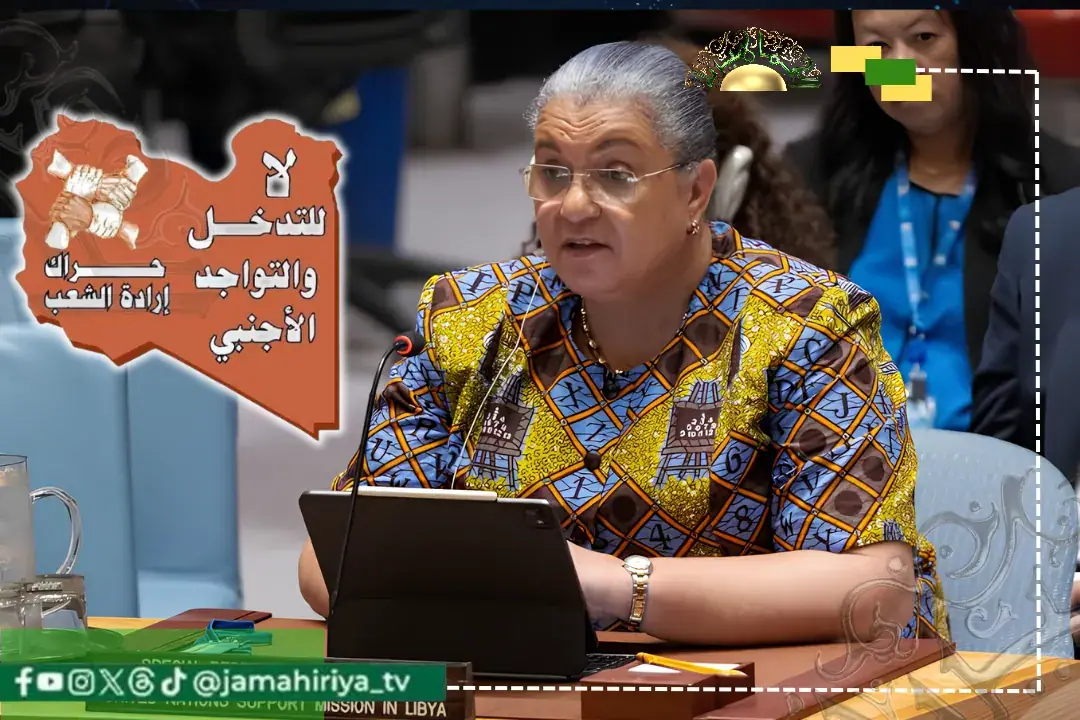
The Libyan movement "Harak Irada Al-Shaab" has expressed its rejection of continued foreign interference in the country's internal affairs. In a statement, the movement emphasized the need to restore Libya's national sovereignty and end the presence of foreign forces and mercenaries on Libyan soil. This stance was announced on October 31, 2026, amid ongoing concerns about external influences on Libya's political landscape.
The movement specifically criticized the presence of foreign forces and mercenaries in Libya, vowing to counter any attempts to settle foreign populations within the country. It also rejected interference from the United Nations mission in Libya, as well as from foreign countries and embassies, in Libya's internal affairs. The movement called for those who oppose this stance to leave Libyan territory.
Harak Irada Al-Shaab also expressed disappointment over the silence of Libyan political parties, candidates for the upcoming government, research centers, and media outlets regarding the nature of the UN mission and its implications. The movement noted that the UN mission in Libya was established under UN Security Council Resolution 2009 of 2011 to provide assistance, advice, and mediation, but not to exercise direct governance or impose a formal guardianship system on the country.
The movement highlighted that ongoing UN Security Council resolutions, including the arms embargo and asset freeze, impose certain limitations on Libya's exercise of sovereignty. However, it clarified that these measures do not imply Libya's subjection to a formal guardianship system. Instead, Harak Irada Al-Shaab holds successive Libyan governments accountable for the continuation of this situation.
According to the movement, the approval of Libyan governments to extend the UN mission and their requests for international mediation have contributed to perpetuating Libya's reliance on external intervention. The movement cited Libya's political divisions, weak legislative and executive institutions, and the absence of a unified and strong parliament as factors that have weakened the state's ability to regain its sovereign powers.
Harak Irada Al-Shaab warned of regional and international interventions targeting control over Libya's financial resources and oil contracts, which could hinder Libya's transformation into a global economic hub. In response, the movement called for replacing the UN-led process with a national effort led by independent and impartial figures who have not been involved in corruption or collaboration with foreign powers.
Ultimately, the movement emphasized the need for Libya to regain its independent decision-making authority, end divisions, and empower Libyans to manage their country's affairs and resources free from external interference. The movement seeks to promote a national approach that prioritizes Libyan interests and sovereignty.
Key points
- The Libyan movement "Harak Irada Al-Shaab" rejects foreign interference and calls for an end to the presence of foreign forces and mercenaries in Libya.
- The movement demands the restoration of Libya's national sovereignty and the end of external influences on the country's internal affairs.
- Harak Irada Al-Shaab advocates for a national effort led by independent and impartial figures to replace the UN-led process in Libya.