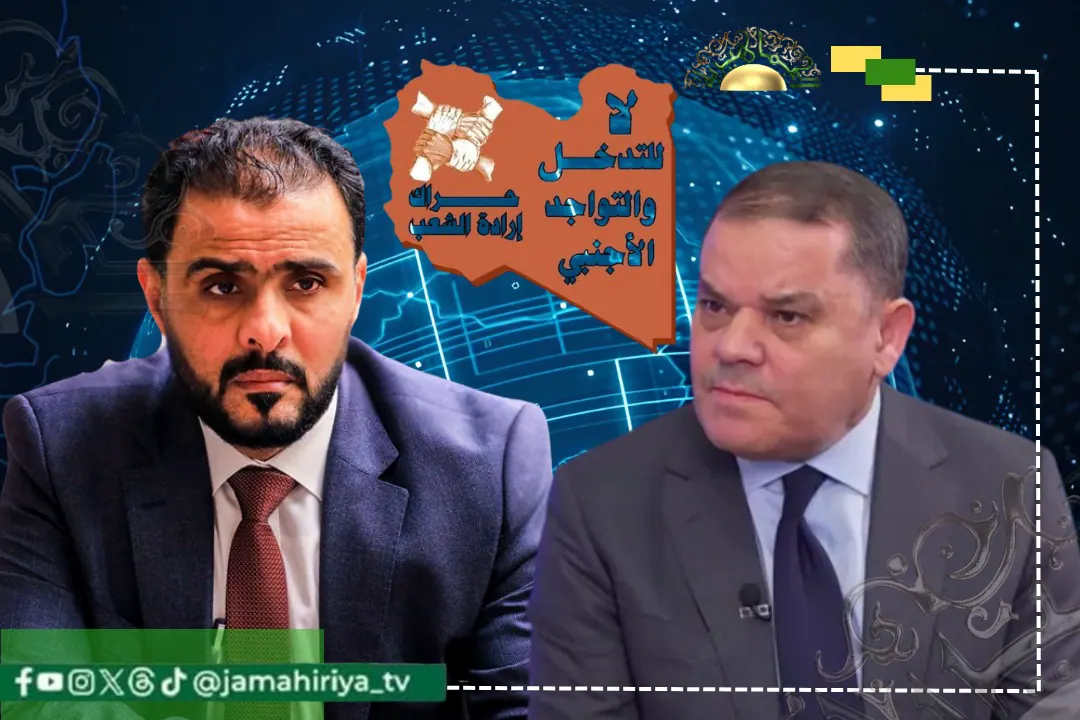
On September 27, 2026, the Libyan movement "Harak Irada Al-Shaab" launched a sharp attack on the political and economic situations in Libya. In a lengthy statement, the movement expressed its rejection of foreign military presence and external interventions, while also condemning the project of "Afrocentric settlement." The movement accused the governments of Abdul Hamid Dbeibah and Osama Hamad of causing continued economic and political crises.
The movement criticized the governments for their handling of the economy, stating that the Libyan citizen bears the brunt of poor management of public resources and continued transitional spending. The movement specifically criticized the decision to raise the price of heavy oil, warning that this increase will affect local industries, particularly cement, iron, plastic, and food factories.
The movement also expressed concerns that the rise in production and transportation costs will be reflected in the prices of building materials and basic goods, ultimately increasing the burden on citizens and low- and middle-income classes. The movement called for accountability of those responsible for managing public funds and recovering stolen funds.
The movement accused the governments of Dbeibah and Hamad, as well as influential parties in Libya, of being responsible for the depletion of resources and smuggling of fuel. The movement also criticized the situation on Libya's land, sea, and air borders. Furthermore, the movement rejected the presence of foreign forces and mercenaries on Libyan territory.
The movement also targeted the education and health sectors, criticizing the authorities for not responding to teachers' demands and relying on foreign teachers instead of addressing the situation of Libyan workers. The movement called for the protection of Libyan medical cadres and improvement of working conditions in the public and private sectors.
The movement emphasized its rejection of foreign interference in Libya's decision-making process, criticizing the role of the UN mission and countries interfering in Libyan affairs. The movement also objected to political proposals aimed at rearranging the Libyan scene, stressing that the solution must come from the will of the Libyan people and their national institutions.
In conclusion, the movement called for accountability of those responsible for managing the state and recovering public funds, reaffirming its commitment to national sovereignty and rejecting continued foreign interference in Libyan affairs.
Key points
- The Libyan movement "Harak Irada Al-Shaab" rejects foreign interference in Libya's decision-making process.
- The movement criticizes the governments of Dbeibah and Hamad for their handling of the economy.
- The movement demands accountability of those responsible for managing public funds and recovering stolen funds.