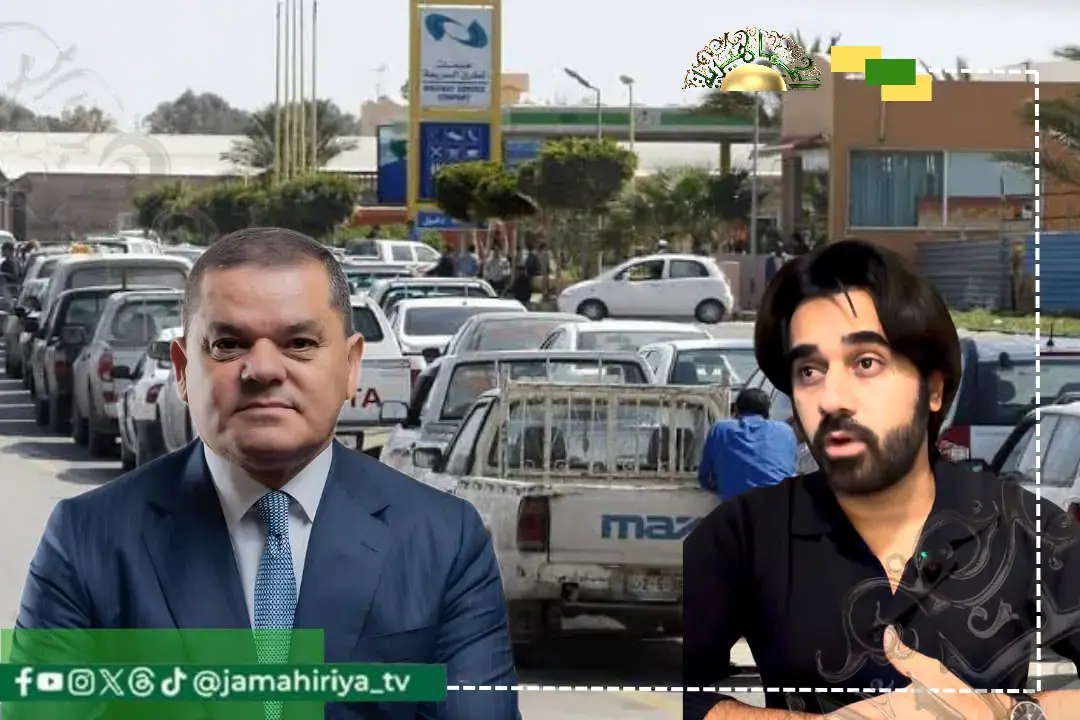
Libyan media figure Khalil Al-Hassi has spoken out against the government's plan to lift fuel subsidies, warning that it could lead to economic disaster and burden citizens with additional costs. In a video statement, Al-Hassi claimed that the plan is being used to ensure continued public spending and maintain the current officials in power. He emphasized that reforming the subsidy system and addressing economic distortions require capable and honest institutions.
Al-Hassi expressed concerns that the current institutions in charge of managing the economy are failed and lack the necessary competence, legitimacy, and seriousness to handle such a complex issue. He argued that the objection is not to reforming the subsidy system or addressing economic distortions, but rather to the entities currently managing the file. Al-Hassi called for replacing these institutions with elected ones, starting with electing a new parliament that forms a government to manage the file.
The media figure accused the current officials of seeking to control the subsidy file to guarantee continued spending in Tripoli and Benghazi and maintain their power, rather than achieving real economic reform. He criticized the bloated government formations, noting that the governments of Dbeibah and Hamad comprise around 70 ministers, and their performance does not qualify them to manage such a critical file.
Al-Hassi stressed the need for elected institutions and real guarantees before making radical changes to the fuel subsidy system. He warned against burdening citizens with the consequences of decisions made by entities lacking legitimacy and the ability to manage reform. The current institutions, according to Al-Hassi, are responsible for the deterioration of the economic situation, the decline of the Libyan dinar, and its purchasing power, amidst inflation and increased public spending.
The issue of lifting fuel subsidies has sparked controversy in Libya, with many citizens concerned about the potential impact on their livelihoods. Al-Hassi's statements reflect the growing unease among the public regarding the government's economic policies. The Libyan government has not yet officially responded to Al-Hassi's criticism, but his comments are likely to fuel further debate on the issue.
Al-Hassi's warning about the potential consequences of lifting fuel subsidies comes at a time when Libya is struggling with economic challenges. The country's economy has been affected by years of conflict and instability, and the government faces significant hurdles in providing basic services to its citizens. The issue of fuel subsidies is a complex one, and any changes to the system will require careful consideration and consultation with various stakeholders.
The Libyan government will need to engage in a national dialogue to address the concerns of citizens and find a solution that balances the need for economic reform with the need to protect the most vulnerable members of society. The government's ability to manage the subsidy file effectively will be crucial in determining the success of its economic policies and its ability to maintain stability and security in the country.
Key points
- Al-Hassi warns that lifting fuel subsidies could lead to economic disaster and burden citizens with additional costs.