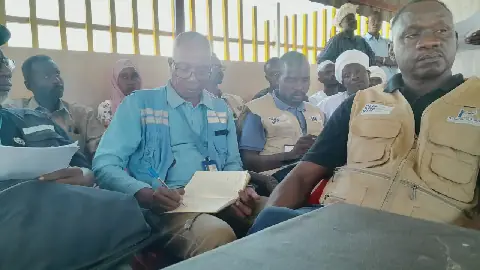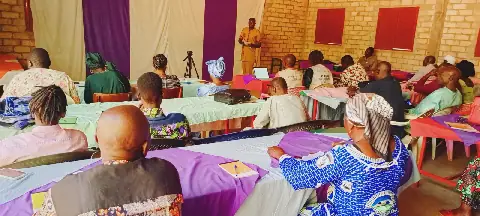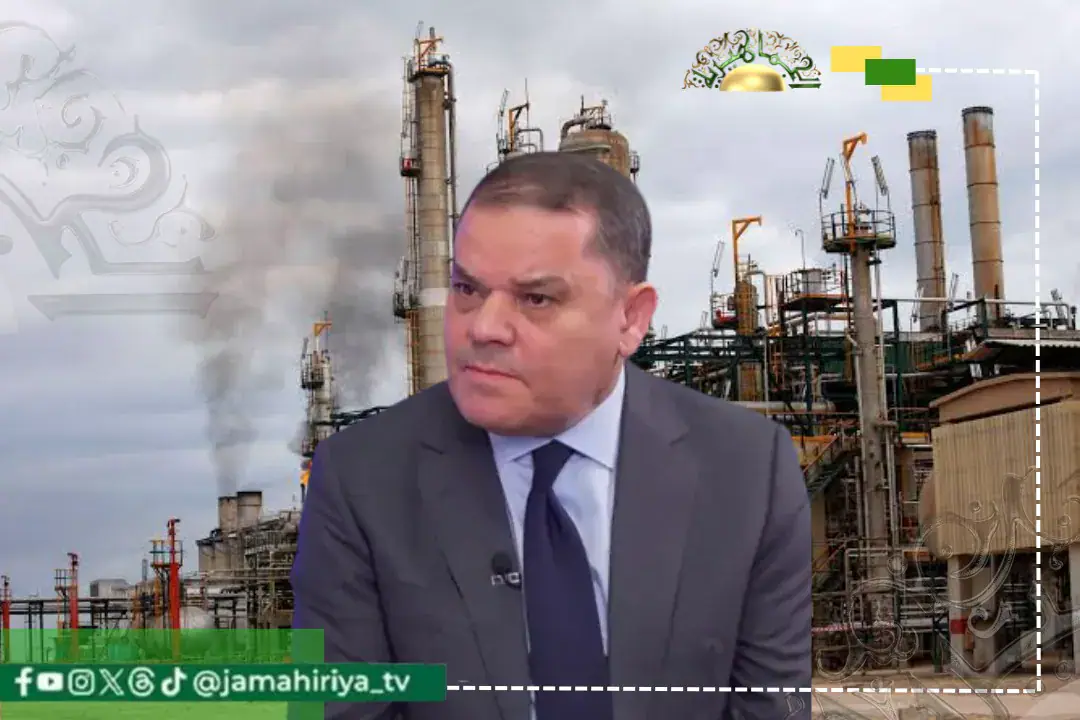
The Libyan Health Sector Union and supporting professional unions have sent an open letter to Prime Minister Abdul Hamid Dbeibah, inquiring about the allocation of oil revenue. They expressed concern over the lack of improvement in living standards and basic services despite increasing oil exports. The union emphasized that healthcare institutions are struggling with severe shortages of medications, medical supplies, and laboratory equipment.
The union highlighted that some healthcare facilities have become unable to provide basic medical services. Many Libyan citizens are forced to sell their properties and exhaust their savings to travel to Tunisia and Egypt for medical treatment due to the decline in healthcare services within the country. This situation has led to a significant increase in the financial burden on citizens.
The union also pointed out the deterioration of living conditions for some Libyan families, who are struggling to afford basic needs such as food and medicine. Healthcare workers face challenges, including a lack of resources, delayed financial entitlements, and decreased purchasing power of their salaries. The union stressed that oil revenue is not just a number in financial reports but a national wealth and a right of the Libyan people.
The union demanded that the Dbeibah government address the crisis of medication and medical supply shortages and ensure regular supplies to healthcare facilities. They called for an urgent plan to rescue healthcare institutions and improve diagnostic and treatment services for citizens. Additionally, the union requested the settlement of delayed financial entitlements for healthcare workers.
The union also urged the government to address imbalances in salaries and job rights, ensure transparency in public spending, and disclose the allocation of oil revenue. They emphasized the need for effective oversight, accountability, and anti-corruption measures. The union's primary question to the government is: where is the oil wealth going, and why is its impact not visible in hospitals, pharmacies, schools, and citizens' daily lives?
The Libyan Health Sector Union concluded their letter by emphasizing that the health and dignity of Libyans are rights, not deferred promises. They demanded that oil revenue be reflected tangibly in citizens' lives and the improvement of essential services they need. The union's concerns highlight the need for the government to address the pressing issues facing the healthcare sector and the Libyan people.
The situation in Libya highlights the challenges faced by the healthcare sector in the country, with many citizens struggling to access basic medical services. The union's letter to the Prime Minister underscores the need for transparency and accountability in the management of oil revenue and public spending. The government's response to these concerns will be crucial in addressing the deteriorating living standards and healthcare services in Libya.
Key points
- The Libyan Health Sector Union demands that the government address the crisis of medication and medical supply shortages and ensure regular supplies to healthcare facilities.
- The union urges the government to ensure transparency in public spending and disclose the allocation of oil revenue.
- The union emphasizes the need for effective oversight, accountability, and anti-corruption measures in the management of public funds.
Reporting sources
- اتحاد حراك القطاع الصحي يسأل الدبيبة: أين تذهب عائدات النفط؟ · Aljamahiriya TV