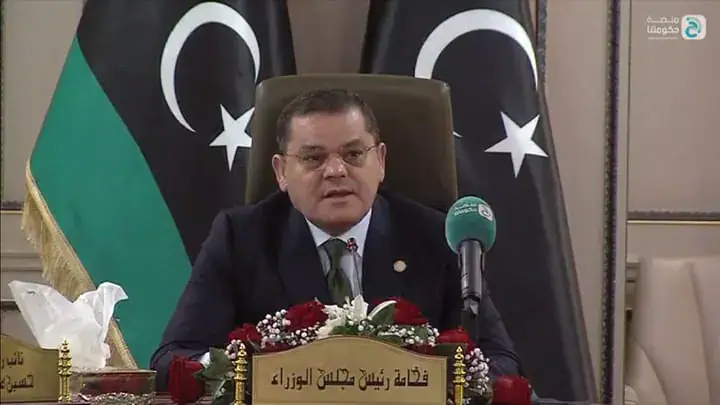
Libyan Prime Minister Abdel Hamid Dbeibah announced on November 17, 2026, that his government had reached an agreement with representatives of the teachers' movement and some union leaders to resume the academic year. As part of the deal, Dbeibah instructed the Finance Minister to disburse 2000 dinars to each eligible teacher as an initial payment of their financial differences within their November salaries.
The agreement also includes completing the settlement and disbursement of the remaining financial differences, and integrating teachers into the health insurance system. Furthermore, the government will coordinate with education supervisors to identify the schools' needs for operational supplies. Relevant authorities will submit a report to the Council of Ministers on the implementation procedures, challenges, and proposals to address them.
Dbeibah's government urged parents to send their children to school and contribute to resuming the educational process, based on the announced agreement with teachers' representatives. However, the General Teachers' Union rejected the meeting's outcomes, stating that any agreement to end or suspend the sit-in is not binding unless issued by the union or adopted by its competent institutions.
The union emphasized that individual meetings do not grant participants the mandate to speak on its behalf or make decisions on behalf of teachers. According to the union, the decision to continue, suspend, or end the strike lies with its official frameworks. The union reiterated its commitment to the peaceful strike until all demands are fully achieved.
The teachers' strike in Libya has been ongoing, with the union pushing for better working conditions and financial benefits. The government's efforts to address these demands aim to minimize disruptions to the academic year. However, the union's rejection of the agreement suggests that the situation remains unresolved.
The Libyan government has been working to improve the education sector, which has faced significant challenges in recent years due to the country's instability. The agreement with teachers is part of a broader effort to address the sector's needs and ensure the continuation of the academic year.
The situation remains uncertain, with the union maintaining its stance on the strike and the government calling for a return to normalcy in the education sector. The parties' next steps will likely determine the course of the academic year in Libya.
Key points
- Libyan PM Abdel Hamid Dbeibah announces agreement with teachers' representatives to resume academic year.
- General Teachers' Union rejects agreement, insists on peaceful strike until demands are met.
- Government efforts aim to address teachers' demands, minimize disruptions to academic year.