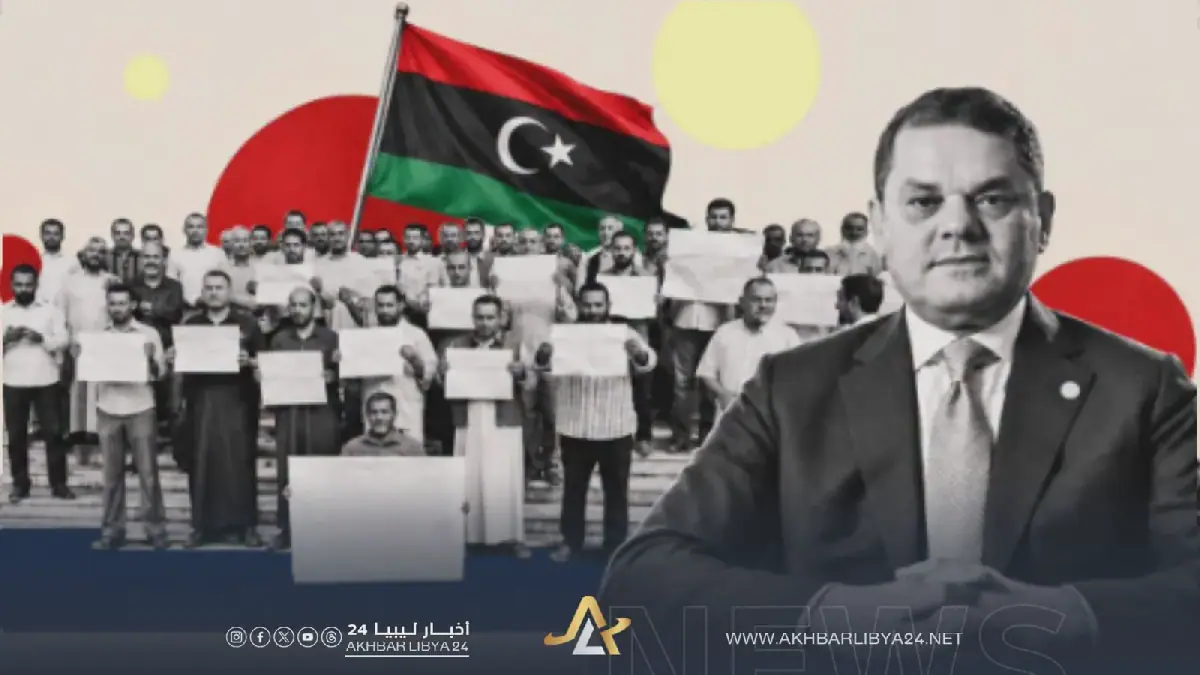
The Libyan government has announced an agreement with a group of teachers to end a 66-day strike, but the move has been met with opposition from the General Teachers' Union and other unions. The strike, which began in September, has left around 2.5 million students without access to education. The government had offered to pay outstanding financial dues to teachers and include them in the national health insurance scheme, but the unions have rejected the offer.
The General Teachers' Union has stated that any agreement to end the strike must be approved by its official institutions, and that individual meetings with government officials are not binding. The union's general secretary, Ramadan Hamum, has accused the government of failing to honor previous agreements and of being responsible for the continued closure of schools. Hamum has also rejected attempts to blame teachers for the disruption to education.
Several regional unions have also rejected the government's offer, stating that they will continue to support the strike until their demands are met. These demands include not only financial compensation but also improvements to working conditions, healthcare, and social benefits. The unions have emphasized that the strike will continue until all of their demands are met.
The strike has highlighted the deep-seated problems facing Libya's education sector, including a lack of resources, infrastructure, and trained teachers. The government has faced criticism for its handling of the crisis, with many accusing it of neglecting the needs of teachers and students. The continued closure of schools has raised concerns about the impact on the country's future.
Activists have pointed out that the government's offer of 2000 dinars to teachers is insufficient to address the underlying issues driving the strike. They argue that the problems facing teachers go beyond financial compensation and include issues such as job security, healthcare, and social benefits. The activists have called for a more comprehensive approach to addressing the crisis.
The strike has now entered its third month, with no clear end in sight. The government has urged parents to send their children back to school, but the unions remain resolute in their demands. The continued disruption to education has raised concerns about the long-term impact on Libya's future.
The crisis has also highlighted the need for a more inclusive and representative approach to addressing the needs of teachers and students. The government's failure to engage with the unions and address their concerns has exacerbated the crisis, and it remains to be seen whether a resolution can be found.
Key points
- The Libyan government's agreement with some teachers has been rejected by the General Teachers' Union and other unions.
- The strike has left around 2.5 million students without access to education.
- The unions are demanding improvements to working conditions, healthcare, and social benefits, in addition to financial compensation.