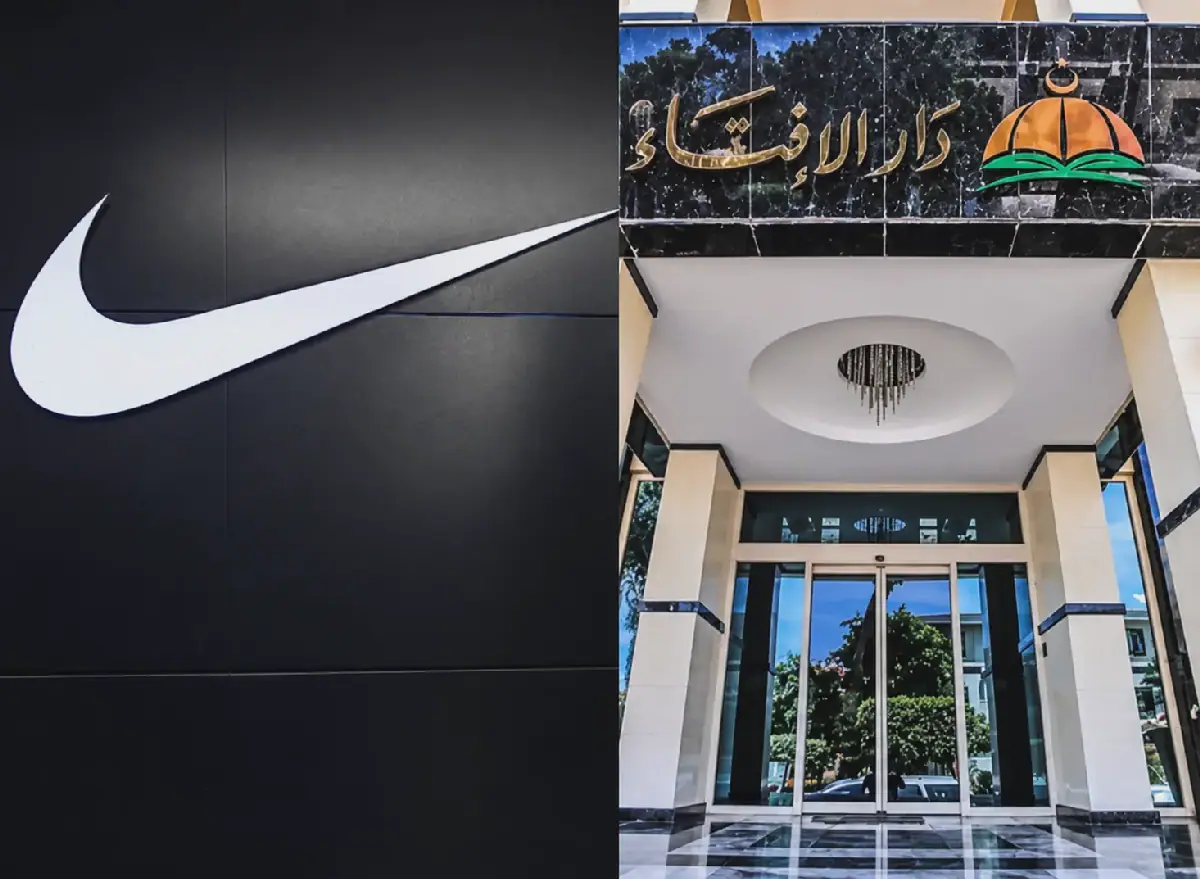
The Libyan Dar al-Ifta, the country's highest Islamic authority, has issued a fatwa, or Islamic edict, prohibiting the sale, purchase, and wearing of products from the American sports apparel giant Nike. The fatwa, numbered 6697 and endorsed by Libyan Grand Mufti Sheikh Sadiq al-Ghriani, cites two primary reasons for the ban. According to the scholars, the name "Nike" is derived from the Greek goddess of victory, and the company's iconic swoosh logo represents the goddess's wings.
The Libyan Islamic scholars claim that wearing or promoting the Nike brand and its logo amounts to endorsing pagan symbols and ideologies that contradict Islamic values. The fatwa does not solely focus on the historical origins of the brand but also links it to a pressing contemporary issue: economic boycotts. The Libyan Dar al-Ifta had previously issued a statement calling for the boycott of Western companies that support Israeli occupation, and Nike was categorized as one such company whose products are considered luxury items that Muslims should avoid purchasing under these circumstances.
The decision has sparked significant debate, with some individuals supporting the fatwa as a legitimate means of protecting Islamic values and scoring points in the boycott, while others have expressed surprise, pointing out that Nike has been a global brand for decades. The issue highlights the complexities of navigating cultural and religious sensitivities in the modern globalized world, where brands and their symbols can take on different meanings across various contexts.
The fatwa has also raised questions about the limits of religious authority in influencing consumer behavior and the potential economic implications for Nike and other companies that may be targeted in the future. While some have argued that the fatwa is an overreach of religious authority, others see it as a legitimate exercise of Islamic scholarship in guiding Muslims on what products are permissible or prohibited.
The controversy surrounding Nike has unfolded against a backdrop of heightened tensions in the region, with various countries and organizations taking stances on issues related to Israel and Palestine. The Libyan government's stance on boycotting Western companies that support Israeli occupation reflects a broader regional dynamic, where economic and cultural boycotts are being used as tools of political expression and resistance.
As the debate over the Nike fatwa continues, it remains to be seen how the company and other affected brands will respond to the Libyan government's stance and whether this will have a significant impact on their operations in the region. The incident highlights the need for companies to be aware of the complex cultural and religious landscape in which they operate and to navigate these issues with sensitivity and respect.
The Libyan fatwa has sparked a wider conversation about the intersection of sports, culture, and politics, and how global brands can become embroiled in local disputes and controversies. As the world's most popular sports brands continue to expand their global reach, they must be prepared to engage with diverse cultural and religious contexts and to address the complex issues that arise from their operations.
Key points
- The Libyan Dar al-Ifta has issued a fatwa banning Nike products over alleged promotion of pagan symbols.
- The fatwa cites the brand's name and logo as references to Greek goddess of victory.
- The decision has sparked debate over limits of religious authority in influencing consumer behavior.