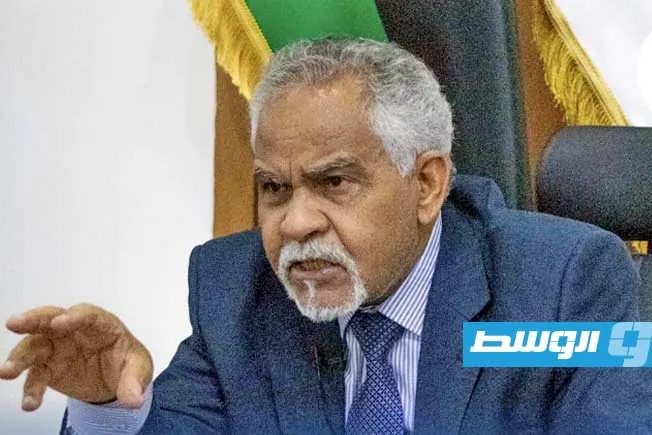
Libyan economist Mohamed Abusnina has raised concerns about the declining status of the Libyan dinar within the national economy. He believes that the national currency is a key component of a country's sovereignty, reflecting its financial and economic independence. Abusnina warned that the loss of the dinar's role and status begins when its use in transactions and value storage declines, and the trend towards using foreign currencies increases.
Abusnina noted that Article 48 of Law No. 1 of 2005 on banks and its amendments stipulates that the value of goods and services within Libya must be paid in Libyan dinars. He emphasized that accepting equivalent value in approved banking means is allowed, but paying in dollars, euros, or other foreign currencies is a violation of the law. This could negatively impact the dinar's status and lead to the preference of foreign currency over the national currency.
The economist pointed out that the decline of the dinar within the economy could limit the central bank's ability to control money supply, manage liquidity, and achieve monetary stability. He identified factors contributing to the decline, including inflation, instability in the dinar's exchange rate, and repeated devaluations. These factors lead to a loss of trust in the dinar, causing citizens to prefer foreign currencies as a store of value.
Abusnina highlighted the consequences of losing the dinar's function as a store of value, including economic, social, and structural impacts that could threaten economic stability. He noted that individuals and companies may resort to pricing goods and services in foreign currencies and storing savings in these currencies. This could lead to increased demand for these assets, higher prices, and reduced trust in the dinar.
The economist warned that instability in the dinar's value could lead to price fluctuations, as traders change prices frequently or refrain from selling due to difficulty in determining replacement costs. He also noted that traders and distributors may hoard goods instead of selling them for a currency that is losing value, potentially leading to shortages and monopolistic practices.
Abusnina expressed concern about the potential for capital flight, as unstable currencies may lead investors to seek more stable economic environments. He also highlighted the distributional effects of eroding purchasing power, particularly for those with fixed incomes, who may see their purchasing power decline. In contrast, those holding assets or foreign currencies may benefit relatively from their increased value.
Abusnina emphasized the need to restore trust in the dinar and the banking sector, ensuring that the national currency remains a widely accepted and stable medium of exchange. He called for the central bank to prioritize combating inflation and achieving exchange rate stability, evaluating its performance based on its success in achieving these goals.
Key points
- The decline of the Libyan dinar's status could lead to "dollarization" and negatively impact the country's economic stability.
- The economist emphasized the need to restore trust in the dinar and the banking sector to maintain economic stability.
- The Libyan government and central bank must work to combat inflation and achieve exchange rate stability to protect the value of the dinar.