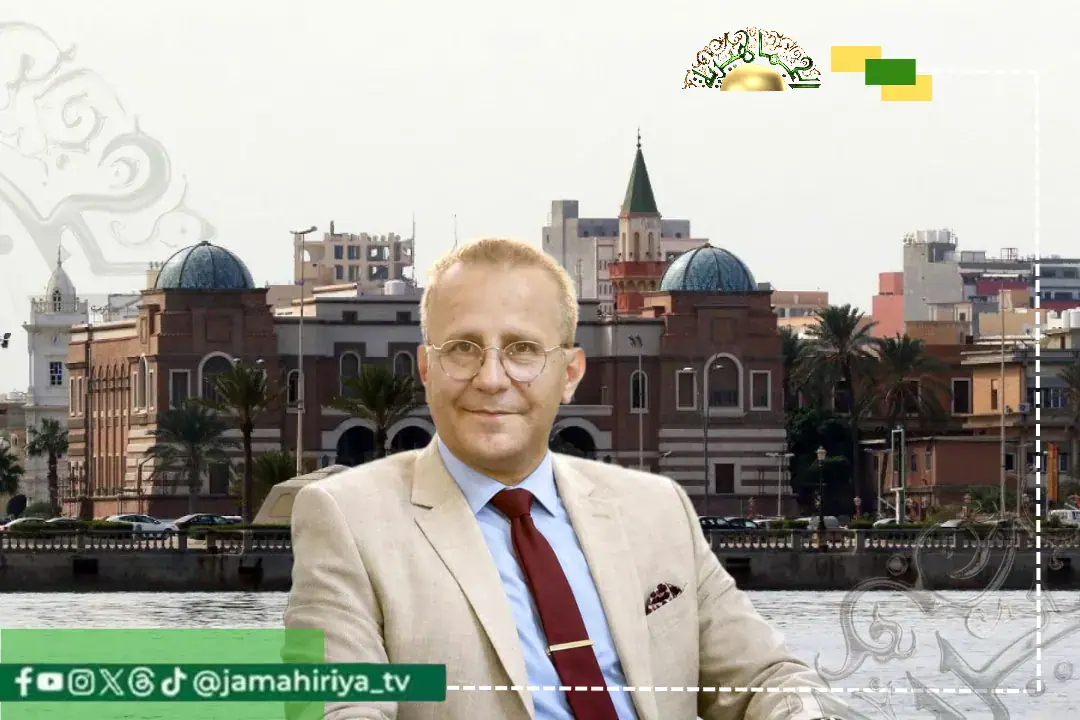
Libyan economist Halmi Alqamati has called for a unified national budget and stricter control over government spending to address the country's economic imbalances. As head of the economics department at the University of Benghazi, Alqamati warned that the existence of multiple spending centers complicates efforts to rectify Libya's economic challenges. His comments come as the country seeks to reduce its dependence on oil revenue.
The Libyan economy is heavily reliant on oil, with petroleum exports accounting for around 97% of total exports, 90% of government revenue, and 60% of economic activity. Experts stress the need for a transition to a more diversified and sustainable production-based economy. They highlight the burden of fuel subsidies, which exceeded $16.6 billion in 2024, equivalent to about a quarter of total public spending.
The cost of importing fuel has also surged, rising from $3.8 billion in 2019 to $9.2 billion in 2024. The African Development Bank estimates that Libya will require around $39.3 billion annually by 2030 to achieve economic transformation, with a financing gap of $37.2 billion. This has sparked discussions on potential strategies for economic diversification.
Proposed measures to promote economic diversification include supporting agriculture, manufacturing industries, and small and medium-sized enterprises. Investment in solar energy and development of local refining capacities are also being considered. These initiatives aim to reduce Libya's reliance on oil, diversify income sources, and enhance the capacity of productive sectors to create jobs and generate added value.
Alqamati's call for a unified budget and fiscal discipline is part of a broader effort to address Libya's economic challenges. The country's economic situation has been impacted by its heavy dependence on oil revenue, which has hindered efforts to develop other sectors. Experts believe that a more diversified economy would be better equipped to withstand fluctuations in global oil prices.
The Libyan government faces significant challenges in implementing economic reforms, including the need to reduce fuel subsidies and promote private sector growth. However, experts argue that such reforms are essential to achieving long-term economic sustainability. They stress the importance of a coordinated approach to economic policy, involving both government agencies and private sector stakeholders.
As Libya continues to navigate its economic challenges, Alqamati's proposals for a unified budget and fiscal discipline are likely to remain key areas of focus. The country's economic future will depend on its ability to implement effective reforms and promote a more diversified and sustainable economy.
Key points
- Libya needs to reduce its reliance on oil revenue and diversify its economy to achieve long-term sustainability.
Reporting sources
- القماطي يدعو إلى توحيد الموازنة وضبط الإنفاق لإنهاء الاعتماد على النفط · Aljamahiriya TV