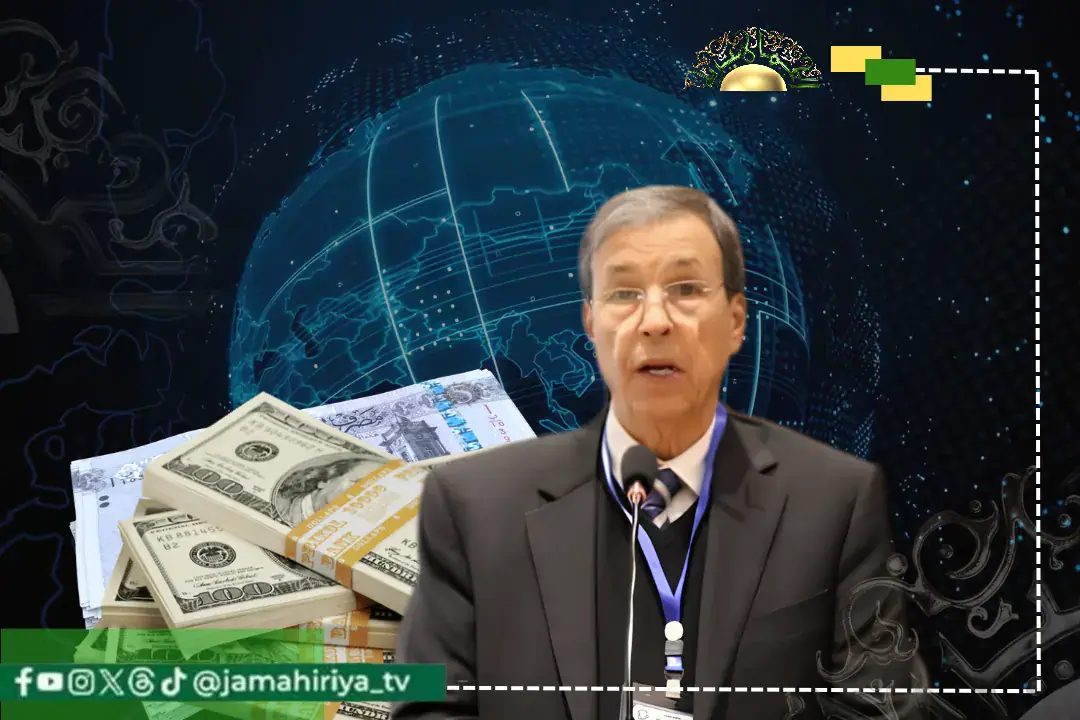
Libyan economic expert Attia Al-Fitouri has cautioned against a proposed increase in the dollar exchange rate to 10 dinars, warning that it could lead to inflation and market manipulation. In a post on Facebook, Al-Fitouri argued that this measure would not achieve the goal of unifying the exchange rate. He cited the experience of 1999, when a commercial exchange rate was introduced alongside the official rate, but ultimately failed to achieve its objectives.
Al-Fitouri referenced the period between 2007 and 2012, when the exchange rate was stable due to high oil prices, which exceeded $120 per barrel. However, with predictions of a decline in oil prices, he warned that implementing such a measure could have severe consequences. The expert emphasized that imposing fees to raise the cost of the dollar would increase public spending and fuel inflation and speculation against the Libyan dinar.
The economic expert rejected the idea of imposing fees that would bring the dollar price in the Central Bank closer to the parallel market rate, citing concerns about the impact on the Libyan economy. Instead, Al-Fitouri called for addressing the root causes of the exchange rate crisis, including reducing public spending, combating corruption, preventing commodity smuggling, and halting speculation on the dinar.
Al-Fitouri emphasized that the success of economic measures depends on achieving political stability, unifying the Libyan government, and subjecting it to oversight by the House of Representatives. He also stressed the importance of adhering to the application of the state's financial system law. The expert's warnings come as Libya continues to grapple with economic challenges.
The proposed increase in the dollar exchange rate aims to unify the exchange rate, with the official rate currently set at 6.44 dinars. However, Al-Fitouri argued that this approach would not achieve its intended goals. He drew parallels with past experiences, highlighting the potential risks and consequences of such a measure.
Al-Fitouri's comments on Facebook sparked a debate about the best approach to addressing Libya's economic challenges. While some may argue that a rate hike is necessary to unify the exchange rate, Al-Fitouri's warnings highlight the potential risks and consequences of such a measure. The expert's emphasis on addressing the root causes of the crisis and achieving political stability resonated with many.
As Libya continues to navigate its economic challenges, Al-Fitouri's warnings serve as a reminder of the need for careful consideration and comprehensive solutions. The country's economic future remains uncertain, and the government's approach to addressing these challenges will be crucial in determining the outcome. Key factors, including political stability and international oil prices, will play a significant role in shaping Libya's economic trajectory.
Key points
- Expert warns that raising dollar exchange rate to 10 dinars could lead to inflation and market manipulation.