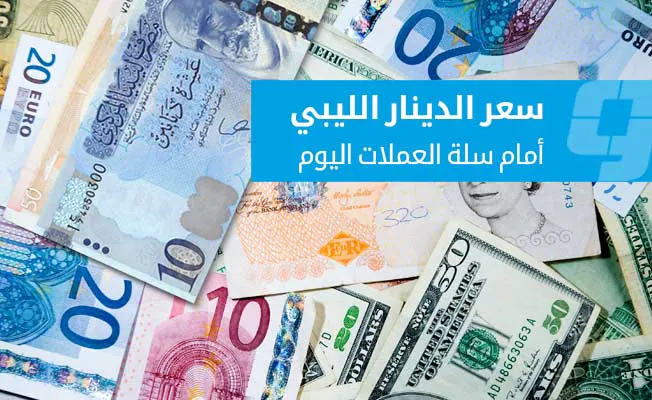
On Monday, October 5, 2026, the US dollar saw a notable increase of 16 dirhams against the Libyan dinar in the parallel market, reaching a rate of 9.73 dinars compared to 9.57 dinars on Sunday. This change reflects ongoing fluctuations in the Libyan foreign exchange market. The euro remained stable at 10.90 dinars, while the British pound rose to 12.50 dinars from 12.35 dinars on the previous day. These rates were reported by various social media platforms focused on market trends.
The Turkish lira and Tunisian dinar displayed stability in their exchange rates, holding steady at 0.18 dinars and 2.60 dinars, respectively. Meanwhile, the price of gold saw an uptick, with 18-karat gold reaching 954 dinars per gram, up from 930 dinars the day before. These developments indicate a mixed performance across different segments of the Libyan market.
In the official market, the US dollar experienced a slight increase to 6.42 dinars, up from 6.41 dinars on Sunday. Conversely, the euro saw a minor decline to 7.19 dinars from 7.22 dinars. The British pound maintained its position at 8.49 dinars, as reported by the Central Bank of Libya. These movements suggest a cautious approach by the Libyan authorities in managing the official exchange rates.
Other currencies also exhibited changes in the official market. The Saudi riyal and United Arab Emirates dirham saw increases to 1.71 dinars and 1.75 dinars, respectively, from their previous rates of 1.70 dinars and 1.74 dinars. The Tunisian dinar rose to 2.15 dinars from 2.14 dinars. These adjustments reflect ongoing efforts to align Libyan currency values with regional economic trends.
The fluctuations in exchange rates and commodity prices, such as gold, can be attributed to various economic factors, including supply and demand dynamics, geopolitical developments, and global market trends. The Libyan economy, heavily reliant on imports, is particularly sensitive to changes in foreign exchange rates, which can impact the cost of living and business operations.
The Central Bank of Libya and other financial authorities continue to monitor the situation closely, implementing policies aimed at stabilizing the currency and promoting economic growth. These efforts are crucial in maintaining financial stability and supporting the country's recovery from years of conflict and economic disruption.
As the Libyan market navigates these challenges, stakeholders, including businesses, investors, and individuals, must remain informed about the latest developments in the foreign exchange market. Understanding these trends can help them make informed decisions and mitigate potential risks associated with currency fluctuations.
Key points
- The Libyan dinar saw mixed results against major currencies on October 5, 2026.
- The US dollar increased by 16 dirhams in the parallel market.
- Gold prices rose to 954 dinars per gram for 18-karat gold.